Universal menu

  • Global
  • Regions
    • Africa
    • Americas and the Caribbean
    • Arab States
    • Asia and the Pacific
    • Europe and Central Asia
  • Knowledge
  • Data
  • Training
  • Transparency
UN Women - For all women and girls

Main Navigation-HQ

  • Who we are
    • About us
      • About UN Women
      • Business model
      • Guiding documents
      • Worldwide presence
    • Leadership
      • Governance structure
      • Executive leadership
      • Executive Board
      • Accountability
    • Work with us
      • Employment
      • Procurement
      • Calls for proposals
      • Contact us
      • UN Women Strategic Plan 2026–2029
      • UN Women Strategic Plan 2026–2029 - social media image
        UN Women Strategic Plan 2026–2029
  • What we do
    • Focus areas
      • Ending violence against women
      • Peace and security
      • Humanitarian action
      • Leadership and governance
      • Economic empowerment
      • Innovation and technology
      • Women with disabilities
      • Youth
      • HIV and AIDS
    • How we work
      • 2030 Agenda for Sustainable Development
      • Commission on the Status of Women
      • Gender parity in the UN system
      • Intergovernmental support
      • Partnerships
      • Research and data
      • Training Centre
      • Trust funds
      • UN system coordination
      • Gender Equality Accelerators
      • Gender Equality Accelerators artwork
        Gender Equality Accelerators
  • News and stories
    • Latest
      • News
      • Articles and explainers
      • In focus
    • Media center
      • Press materials
      • Media contacts
      • Explainer: Why are women so exhausted? Care work and the mental load
      • Two adults stand at a table changing diapers on baby dolls, with laundry hanging on a clothesline behind them in a home setting.
        Explainer: Why are women so exhausted? Care work and the mental load
      • Press release: Aid cuts dismantle women’s organizations working in humanitarian crises
      • A young Ugandan woman sits with another local woman to talk
        Press release: Aid cuts dismantle women’s organizations working in humanitarian crises
  • Digital library
    • Resources
      • Publications
      • Annual reports
      • Gender snapshot
      • Progress of the world’s women
      • World survey on the role of women in development
    • GenderTerm
      • GenderTerm
      • Reprint permissions
      • UN Women Highlights 2025–2026
      • A smiling woman.
        UN Women Highlights 2025–2026
      • Gender snapshot 2026
      • A diverse group of people represented as simplified silhouettes, arranged against a dark blue background.
        Gender snapshot 2026
  • Get involved
    • How to get involved
      • For ALL Women and Girls
      • International Women's Day
      • 16 Days of Activism to End Violence against Women and Girls
      • UNiTE! Campaign to End Violence against Women
      • Generation Equality
      • He for She
Ask AI
https://84e5cfacd5c7e99f9825edf344450c.1b.environment.api.powerplatform.com/powervirtualagents/botsbyschema/crad4_websiteQA/directline/token?api-version=2022-03-01-preview
1
-
Ask your question here
AI website assistant

Hello, how can I assist you?

AI chatbot responses may be incorrect. Always verify important information.

Donate button menu

Donate

Breadcrumb

  1. Home
  2. News and stories
  3. Statement

Website survey

We want to know how we can improve your experience on this website. Completing this survey takes less than 5 minutes.

TAKE THE SURVEY
Statement

Statement: Indigenous women play a vital role in the preservation and transmission of traditional knowledge

UN Women statement on the occasion of the International Day of the World’s Indigenous Peoples, 9 August 2022

5 August 2022
  • Share to Facebook
  • Share to Twitter
  • Share to LinkedIn
  • Share to E-mail

The preservation and transmission of traditional knowledge is the theme of this year’s commemoration of the International Day of the World’s Indigenous Peoples. It is an opportunity to celebrate indigenous women’s rich knowledge about the natural world, health, technologies, distinct rites and rituals, and other significant cultural expressions. Generation after generation, women pass on this traditional knowledge, which is a precious inheritance.

Image
Indigenous artists from San Juan Comalapa, Guatemala, pause painting work and stand for a photo in front of the “Centre for the Historical Memory of Women”, April 2018. Pictured from left to right: María Nicolasa Chex, Rosalina Tuyuc Velásquez, Paula Nicho Cumez, and María Elena Curruchiche. Photo: UN Women/Ryan Brown.
Indigenous artists from San Juan Comalapa, Guatemala, pause painting work and stand for a photo in front of the Centre for the Historical Memory of Women, April 2018. Pictured from left to right: María Nicolasa Chex, Rosalina Tuyuc Velásquez, Paula Nicho Cumez, and María Elena Curruchiche. Photo: UN Women/Ryan Brown.

Despite strong international commitments to the preservation and protection of traditional knowledge, practices and creativity, there is continued exploitation of indigenous peoples and their resources. In some countries, those resources, including sacred objects, are threatened, used, or patented for commercial purposes without permission.

Protection of traditional knowledge can be especially challenging. This is the case when it concerns indigenous women’s roles to produce, safeguard, and maintain fragile resources, such as their languages. Indigenous women’s voices therefore need to be heard more clearly in the development of policies on cultural heritage and cultural expression.

Measures to be taken should include the establishment of specific legal regimes to ensure that indigenous women are able to benefit from their own knowledge, prevent its unlawful use by others, and have it rightfully recognized internationally. An environment that encourages individuals and social groups, especially indigenous women, to create, produce, disseminate, distribute, and have access to their own cultural expressions should be created. Indigenous women should meaningfully participate in decision-making on how their heritage is used, maintained, and managed.

In March this year, the Commission on the Status of Women encouraged Member States to ensure that the perspectives of all indigenous and rural women and girls are taken into account, with their full and equal participation in the design, implementation, follow-up to, and evaluation of policies and activities that affect their livelihoods, well-being, and resilience.

UN Women recognizes the potential of the traditional knowledge held by indigenous women to eradicate poverty, enhance sustainable development, food security and biodiversity. We are committed to work with indigenous women from around the world to ensure that their rights, voices, and experiences are protected and amplified, and to promote their contributions to the advancement of the 2030 Agenda for Sustainable Development.

Happy #IndigenousPeoplesDay!#IndigenousWomen are keepers of scientific environmental and cultural knowledge.

Their right to self-determination and control of ancestral lands is key to preserving traditional knowledge. pic.twitter.com/7GQStGCRzH

— UN Women (@UN_Women) August 9, 2022

Featured stories

3
6
Image
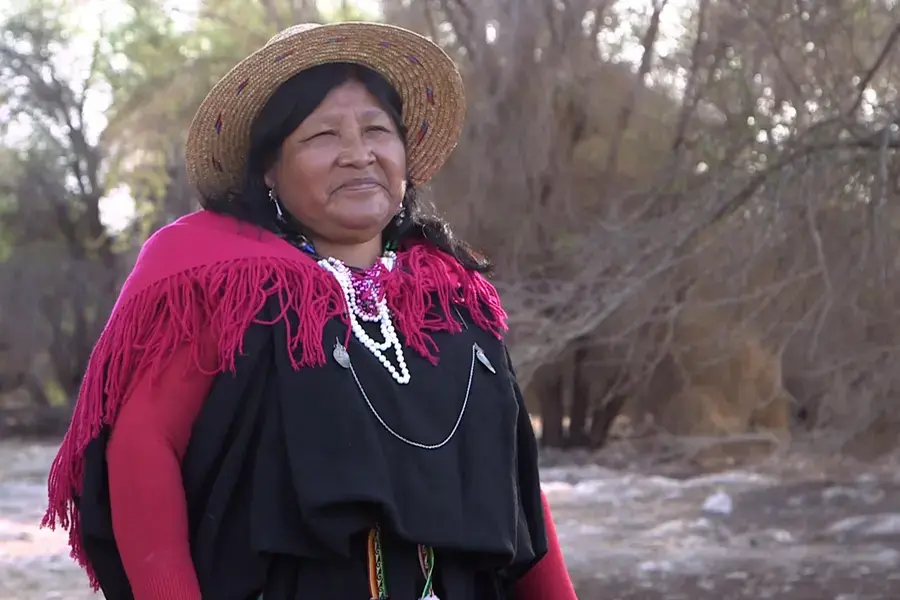
Rosa Quispe Huanca is an Aymara singer and participant in UN Women's Originarias Programme in Chile
Interview
Rosa Quispe Huanca: Ambassador of Aymara music, defender of her language and traditions
Image
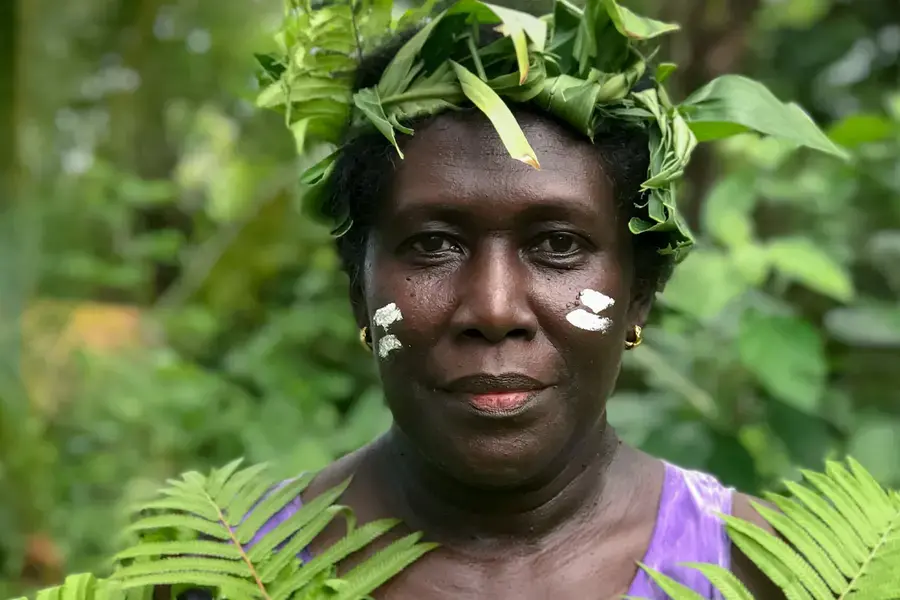
Rendy Solomon, from Gizo, Solomon Islands. She is an advocate for women leading climate solutions and heads a collective called Plasticwise Gizo. Photo: United Nations/Rose
In focus
In focus: International Day of the World’s Indigenous Peoples (Asia & the Pacific)
Image
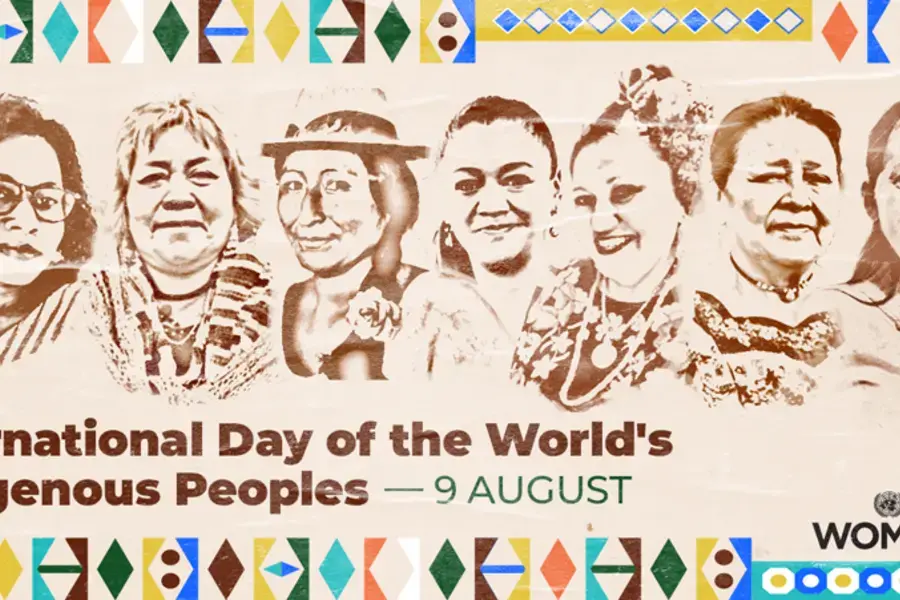
International Day of the World's Indigenous People
In focus
In focus: International Day of the World's Indigenous Peoples (Americas & the Caribbean)
Image
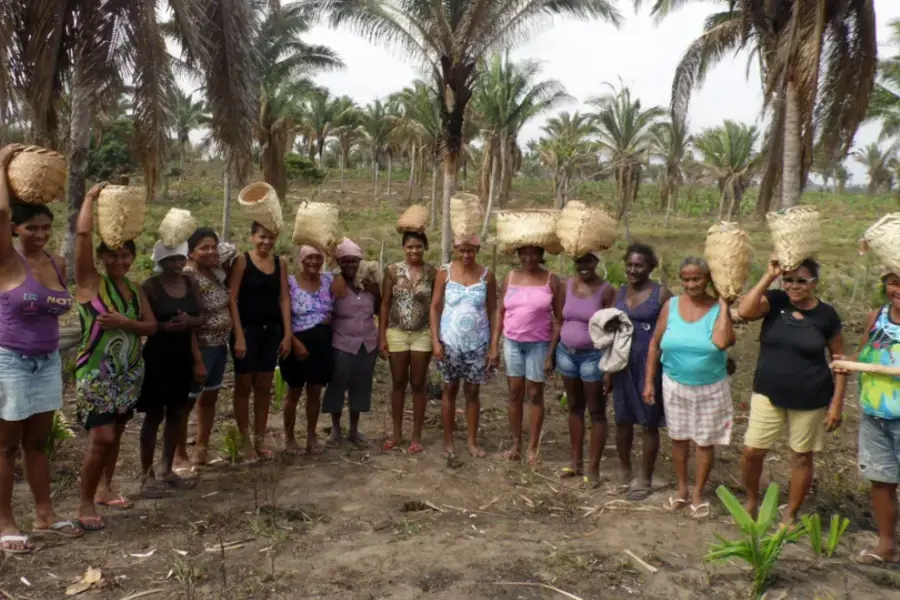
Quilombola women in Brazil take action to end climate change, achieve gender equality and ensure a sustainable future
Feature
Quilombola women in Brazil take action to end climate change, achieve gender equality and ensure a sustainable future
Image
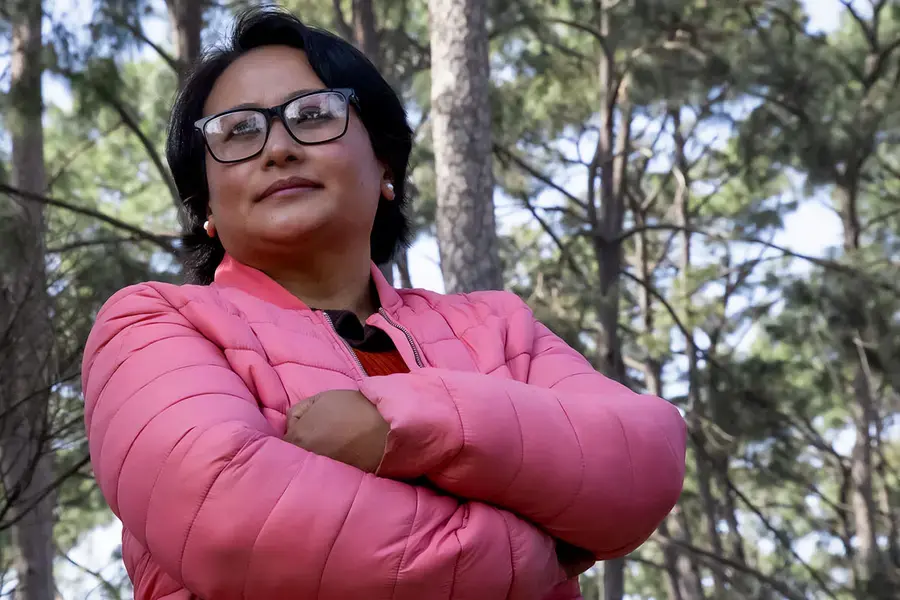
Kamala Thapa is shown on 18 February 2022 in Bhaktapur, Nepal. Photo: UN Women/Uma Bista
From where I stand
From where I stand: “Put indigenous women and our communities at the centre of climate action”
Image
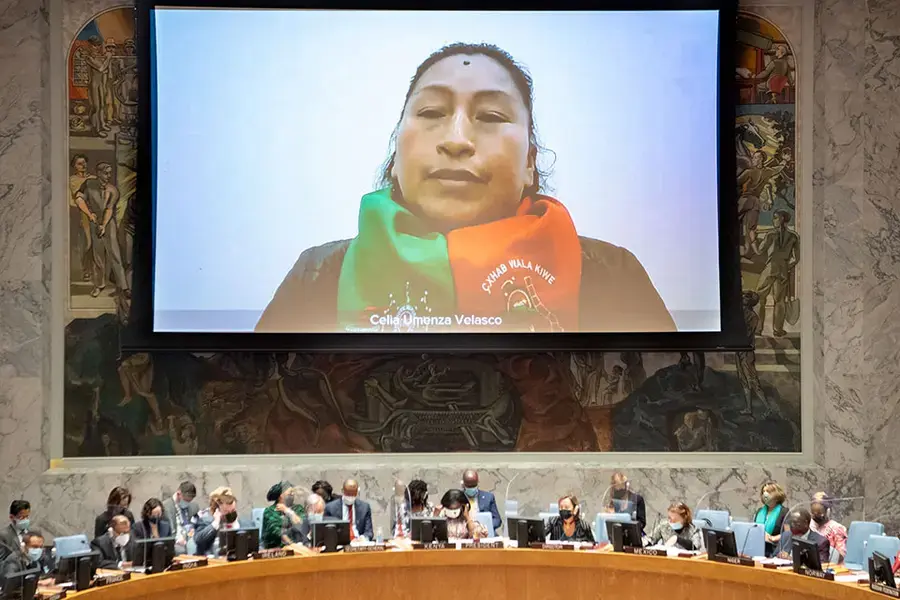
Celia Umenza Velasco, Legal Coordinator for the Indigenous Reservation of Tacueyó and Member of Association of Indigenous Cabildos of the North of Cauca (ACIN), addresses briefs the Security Council meeting on women and peace and security. Photo: UN Photo/Eskinder Debebe
From where I stand
From where I stand: “Our territories are our futures”

Topics

  • 2030 Agenda for Sustainable Development
  • Indigenous women
  • Governance and national planning
  • Human rights
  • Leadership and political participation
  • Decision-making

Related content

Image
UNWomen_Placeholder
Press briefing

Nine in 10 organizations say trauma persists among women and girls displaced from El Fasher a year after its fall

23 October 2026
Nine in 10 organizations say trauma persists among women and girls displaced from El Fasher a year after its fall
Image
Photo collage of women
Statement

UN Women statement for the International Day of Rural Women, 15 October 2026

13 October 2026
UN Women statement for the International Day of Rural Women, 15 October 2026
Image
Ma Nowai Kaine (centre) and two other women from Sargent Kollie Town, Bong County, Liberia, hold mobile phones received through the D4WEE Project, implemented by UN Women with support from the Orange Foundation. Photo: UN Women/Aisha Kolubah.
Feature

For rural women in Liberia, digital and economic empowerment go hand-in-hand

1 October 2026
For rural women in Liberia, digital and economic empowerment go hand-in-hand

Footer menu-HQ

  • News and stories
  • Resources
  • What we do
  • How we work
  • Where we are
  • Partnerships
  • Employment
  • Procurement
  • Contact us
  • Executive Board
  • Commission on the Status of Women

Donate button menu [Footer tablet]

  • Donate

Donate button menu [Footer]

  • Donate

Social media menu

  • Facebook
  • Twitter
  • LinkedIn
  • Flickr
  • YouTube
  • Instagram
UN Women - For all women and girls

Footer bottom [Menu]

  • Copyright
  • Information security
  • Privacy notice
  • Report wrongdoing
  • Terms of use
Share this page
  • Share to Facebook
  • Share to Twitter
  • Share to LinkedIn
  • Share to E-mail

Or copy link