Universal menu

  • Global
  • Regions
    • Africa
    • Americas and the Caribbean
    • Arab States
    • Asia and the Pacific
    • Europe and Central Asia
  • Knowledge
  • Data
  • Training
  • Transparency
UN Women - For all women and girls

Main Navigation-HQ

  • Who we are
    • About us
      • About UN Women
      • Business model
      • Guiding documents
      • Worldwide presence
    • Leadership
      • Governance structure
      • Executive leadership
      • Executive Board
      • Accountability
    • Work with us
      • Employment
      • Procurement
      • Calls for proposals
      • Contact us
      • UN Women Strategic Plan 2026–2029
      • UN Women Strategic Plan 2026–2029 - social media image
        UN Women Strategic Plan 2026–2029
  • What we do
    • Focus areas
      • Ending violence against women
      • Peace and security
      • Humanitarian action
      • Leadership and governance
      • Economic empowerment
      • Innovation and technology
      • Women with disabilities
      • Youth
      • HIV and AIDS
    • How we work
      • 2030 Agenda for Sustainable Development
      • Commission on the Status of Women
      • Gender parity in the UN system
      • Intergovernmental support
      • Partnerships
      • Research and data
      • Training Centre
      • Trust funds
      • UN system coordination
      • Gender Equality Accelerators
      • Gender Equality Accelerators artwork
        Gender Equality Accelerators
  • News and stories
    • Latest
      • News
      • Articles and explainers
      • In focus
    • Media center
      • Press materials
      • Media contacts
      • Explainer: Why are women so exhausted? Care work and the mental load
      • Two adults stand at a table changing diapers on baby dolls, with laundry hanging on a clothesline behind them in a home setting.
        Explainer: Why are women so exhausted? Care work and the mental load
      • Press release: Aid cuts dismantle women’s organizations working in humanitarian crises
      • A young Ugandan woman sits with another local woman to talk
        Press release: Aid cuts dismantle women’s organizations working in humanitarian crises
  • Digital library
    • Resources
      • Publications
      • Annual reports
      • Gender snapshot
      • Progress of the world’s women
      • World survey on the role of women in development
    • GenderTerm
      • GenderTerm
      • Reprint permissions
      • UN Women Highlights 2025–2026
      • A smiling woman.
        UN Women Highlights 2025–2026
      • Gender snapshot 2026
      • A diverse group of people represented as simplified silhouettes, arranged against a dark blue background.
        Gender snapshot 2026
  • Get involved
    • How to get involved
      • For ALL Women and Girls
      • International Women's Day
      • 16 Days of Activism to End Violence against Women and Girls
      • UNiTE! Campaign to End Violence against Women
      • Generation Equality
      • He for She
Ask AI
https://84e5cfacd5c7e99f9825edf344450c.1b.environment.api.powerplatform.com/powervirtualagents/botsbyschema/crad4_websiteQA/directline/token?api-version=2022-03-01-preview
1
-
Ask your question here
AI website assistant

Hello, how can I assist you?

AI chatbot responses may be incorrect. Always verify important information.

Donate button menu

Donate

Breadcrumb

  1. Home
  2. News and stories
  3. Op-ed

Website survey

We want to know how we can improve your experience on this website. Completing this survey takes less than 5 minutes.

TAKE THE SURVEY
Op-ed

G20 op-ed: Unlocking the full potential of women

The effects of gender inequality are far-reaching, but with a package of bold measures the G20 can drive investment in delivering systemic, gendered solutions to the issues we face.
28 October 2022
UN Women Executive Director Sima Bahous
  • Share to Facebook
  • Share to Twitter
  • Share to LinkedIn
  • Share to E-mail
Image
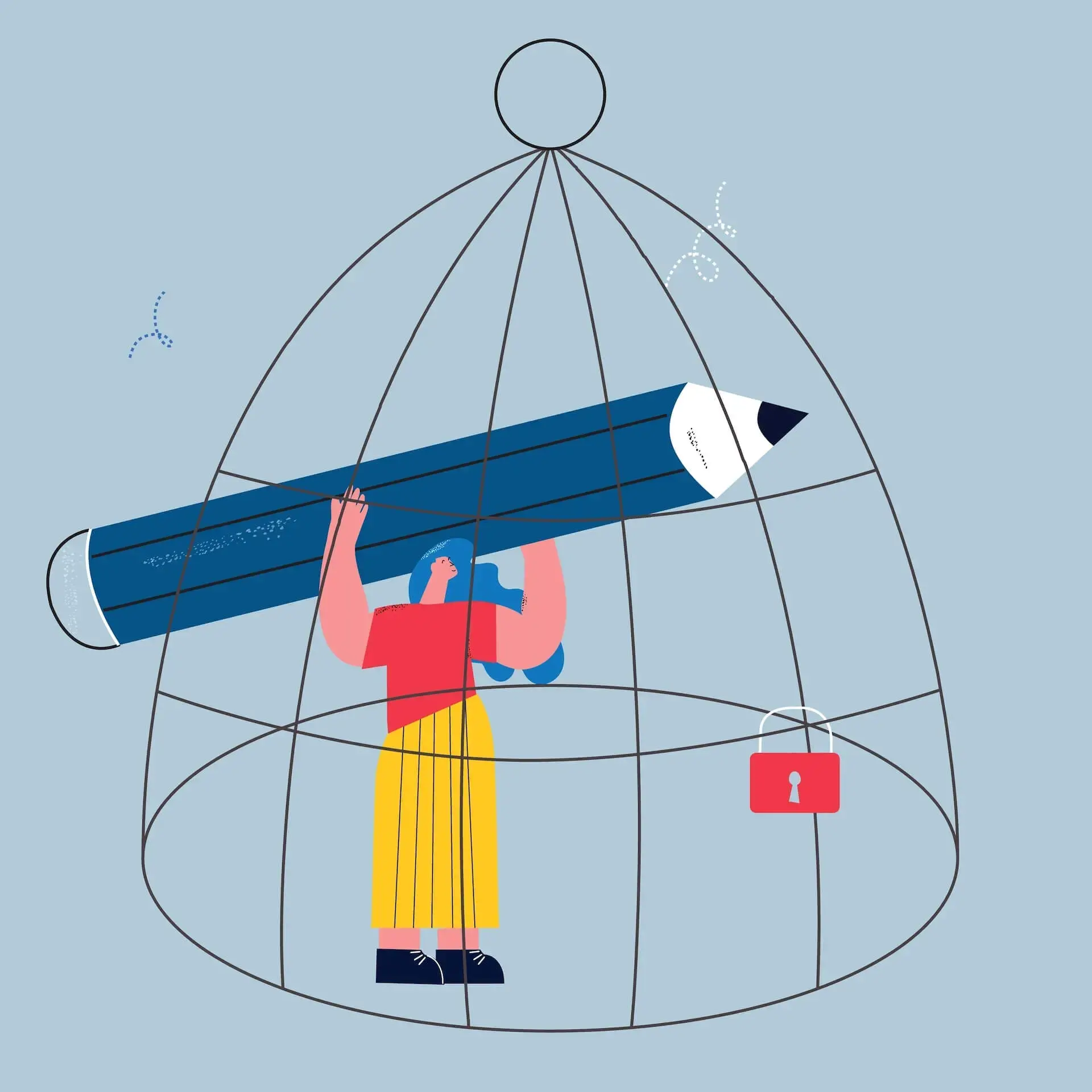
Op-ed: Unlocking the full potential of women (illustration). Illustration reprinted with permission from “G20 Indonesia: The Bali Summit” background book.

Recent events have relentlessly brought home our interconnectedness. We have seen how diseases have no borders; how a war in one part of the world can cause food, fuel, and inflation crises in far distant continents; how failures to mitigate environmental damage embroil us all in floods, wildfires, and catastrophic losses of biodiversity. Together these factors are reversing recent precious progress on gender equality—and on all the Sustainable Development Goals (SDGs). At the current rate, it may take close to 300 years to achieve full gender equality.

Nearly halfway to the 2030 endpoint for the SDGs, it is time to turn our interconnectedness into solidarity in shaping our responses and invest intentionally—and better—in women and girls. Currently, despite progress, only 26 per cent of countries have a comprehensive system to track gender budget allocations.

Recent research published by UN Women reveals what to target for action. Women’s representation in positions of power and decision-making remain below the parity threshold with just 26.4 per cent of parliamentary seats globally, and 28.3 per cent of managerial positions. COVID-19 had a devastating impact on women’s economic opportunities and labour force engagement. Pandemic-related school and day care closures in 2020 led to women doing an estimated 512 billion more additional hours of unpaid childcare globally, curtailing their opportunities for paid work. In 2022, women’s employment rates have still not recovered to pre-pandemic levels in most countries. Today, more than 380 million women and girls live in extreme poverty, on less than USD 1.90 a day.

The global population of forcibly displaced women and girls has reached record levels—44 million—and faces exposure to even greater risks of violence, trafficking and sexual abuse. Meanwhile in homes around the world, one woman or girl is killed every 11 minutes by someone (almost always a man) in her own family.

The worst affected

Across all regions, women are more food-insecure than men, with nearly one in three women experiencing moderate or severe food insecurity in 2021. This year, our analysis has shown the further gendered impacts of the Ukraine crisis on energy access, food security and nutrition. As food, fuel and other prices climb, the consequences of women’s lower incomes and limited labour force engagement become harsher, and the situation of many becomes more desperate. As always, it is women living in poverty and the most marginalized who are the worst affected, least visible and among the last to be reached by government action.

Depending on women

Yet the pandemic also demonstrated just how much our future progress depends on women’s skills and leadership. Women sustained their families, staffed our healthcare systems, and invented lifesaving vaccines. As leaders of countries, women instigated some of the most effective responses to the pandemic. And our research found that where women were better represented in governments, and where feminist movements are stronger, crisis response was more gender-sensitive and effective for everyone.

Systemic, gendered crises require systemic, gendered solutions. I urge the G20 to foster this positive trend: centre women’s and girls’ voices, agency, participation, and leadership in all their plans, and invest in and consult with women’s groups and organizations.

Bold measures

I propose the following bold measures.

First, remove all discriminatory laws, policies, and systems that hinder women’s and girls’ full potential in the economy, including in rural and remote areas, and ensure legal and other measures are in place to prevent and respond to violence against women.

Second, expand gender-responsive public services and social protection, including in-kind assistance and food packages, and essential services for women’s health, including for survivors of violence, and sexual and reproductive health care.

Third, invest in the care economy by scaling up affordable childcare services. This creates a triple dividend of supporting women’s labour force participation, generating decent paid care jobs, and preparing children for school.

Fourth, engage the private sector as a key player in hiring, retaining, and promoting women and offering them equal pay. Support women-owned businesses in supply chains and local communities, ensuring gender-responsive investments as called for in the G20 Osaka Leaders’ Declaration.

Fifth, as the United Nations Secretary-General has urged, make good on overdue commitments to mobilize USD 100 billion every year to support developing countries’ climate adaptation and mitigation efforts. Channel resources to women-led initiatives on renewable energy and agroecology to help address the food and fuel crises.

Last, invest in gender and age data and statistics to enable better targeted interventions that reflect the different needs and interests of women in all their diversity.

I ask you to turn our interconnectedness into a strength, through committing to sustained, significant action for gender equality. That is the smartest investment of all, for all.


Article and graphic reprinted with permission from the “G20 Indonesia: The Bali Summit” background book, pp. 126–127.

Topics

  • 2030 Agenda for Sustainable Development
  • Sustainable Development Goals (SDGs)
  • Economic empowerment
  • Employment
  • Unpaid work
  • Macroeconomic policies
  • Food security
  • Ending violence against women and girls
  • Gender equality and women’s empowerment
  • Gender statistics
  • Humanitarian action
  • Leadership and political participation

Related content

Image
UNWomen_Placeholder
Statement

UN Women statement for the International Day of Care and Support 2026

28 October 2026
UN Women statement for the International Day of Care and Support 2026
Image
UNWomen_Placeholder
Press briefing

Nine in 10 organizations say trauma persists among women and girls displaced from El Fasher a year after its fall

23 October 2026
Nine in 10 organizations say trauma persists among women and girls displaced from El Fasher a year after its fall
Image
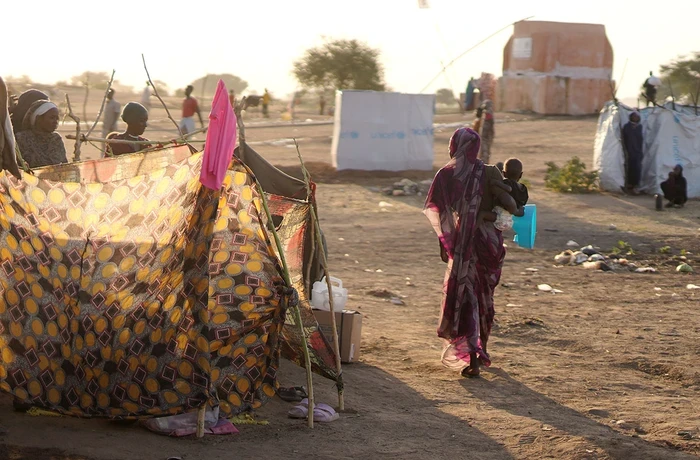
A woman holding a child, facing away from the camera, walks past makeshift tents
Feature

“I feel like I am a warrior”: Sudanese women fight for peace on the front lines of war

23 October 2026
“I feel like I am a warrior”: Sudanese women fight for peace on the front lines of war

Footer menu-HQ

  • News and stories
  • Resources
  • What we do
  • How we work
  • Where we are
  • Partnerships
  • Employment
  • Procurement
  • Contact us
  • Executive Board
  • Commission on the Status of Women

Donate button menu [Footer tablet]

  • Donate

Donate button menu [Footer]

  • Donate

Social media menu

  • Facebook
  • Twitter
  • LinkedIn
  • Flickr
  • YouTube
  • Instagram
UN Women - For all women and girls

Footer bottom [Menu]

  • Copyright
  • Information security
  • Privacy notice
  • Report wrongdoing
  • Terms of use
Share this page
  • Share to Facebook
  • Share to Twitter
  • Share to LinkedIn
  • Share to E-mail

Or copy link