
Universal menu

  • Global
  • Regions
    • Africa
    • Americas and the Caribbean
    • Arab States
    • Asia and the Pacific
    • Europe and Central Asia
  • Knowledge
  • Data
  • Training
  • Transparency
UN Women - For all women and girls

Main Navigation-HQ

  • Who we are
    • About us
      • About UN Women
      • Business model
      • Guiding documents
      • Worldwide presence
    • Leadership
      • Governance structure
      • Executive leadership
      • Executive Board
      • Accountability
    • Work with us
      • Employment
      • Procurement
      • Calls for proposals
      • Contact us
      • UN Women Strategic Plan 2026–2029
      • UN Women Strategic Plan 2026–2029 - social media image
        UN Women Strategic Plan 2026–2029
  • What we do
    • Focus areas
      • Ending violence against women
      • Peace and security
      • Humanitarian action
      • Leadership and governance
      • Economic empowerment
      • Innovation and technology
      • Women with disabilities
      • Youth
      • HIV and AIDS
    • How we work
      • 2030 Agenda for Sustainable Development
      • Commission on the Status of Women
      • Gender parity in the UN system
      • Intergovernmental support
      • Partnerships
      • Research and data
      • Training Centre
      • Trust funds
      • UN system coordination
      • Gender Equality Accelerators
      • Gender Equality Accelerators artwork
        Gender Equality Accelerators
  • News and stories
    • Latest
      • News
      • Articles and explainers
      • In focus
    • Media center
      • Press materials
      • Media contacts
      • Explainer: Why are women so exhausted? Care work and the mental load
      • Two adults stand at a table changing diapers on baby dolls, with laundry hanging on a clothesline behind them in a home setting.
        Explainer: Why are women so exhausted? Care work and the mental load
      • Press release: Aid cuts dismantle women’s organizations working in humanitarian crises
      • A young Ugandan woman sits with another local woman to talk
        Press release: Aid cuts dismantle women’s organizations working in humanitarian crises
  • Digital library
    • Resources
      • Publications
      • Annual reports
      • Gender snapshot
      • Progress of the world’s women
      • World survey on the role of women in development
    • GenderTerm
      • GenderTerm
      • Reprint permissions
      • UN Women Highlights 2025–2026
      • A smiling woman.
        UN Women Highlights 2025–2026
      • Gender snapshot 2026
      • A diverse group of people represented as simplified silhouettes, arranged against a dark blue background.
        Gender snapshot 2026
  • Get involved
    • How to get involved
      • For ALL Women and Girls
      • International Women's Day
      • 16 Days of Activism to End Violence against Women and Girls
      • UNiTE! Campaign to End Violence against Women
      • Generation Equality
      • He for She
Ask AI
https://84e5cfacd5c7e99f9825edf344450c.1b.environment.api.powerplatform.com/powervirtualagents/botsbyschema/crad4_websiteQA/directline/token?api-version=2022-03-01-preview
1
-
Ask your question here
AI website assistant

Hello, how can I assist you?

AI chatbot responses may be incorrect. Always verify important information.

Donate button menu

Donate

Breadcrumb

  1. Home
  2. News and stories
  3. In the words of ...

Website survey

We want to know how we can improve your experience on this website. Completing this survey takes less than 5 minutes.

TAKE THE SURVEY
In the words of ...

In the words of Nasima*: “I realized Afghan women were still fighting. And I chose to be one of them”.
11 August 2022
  • Share to Facebook
  • Share to Twitter
  • Share to LinkedIn
  • Share to E-mail
Image
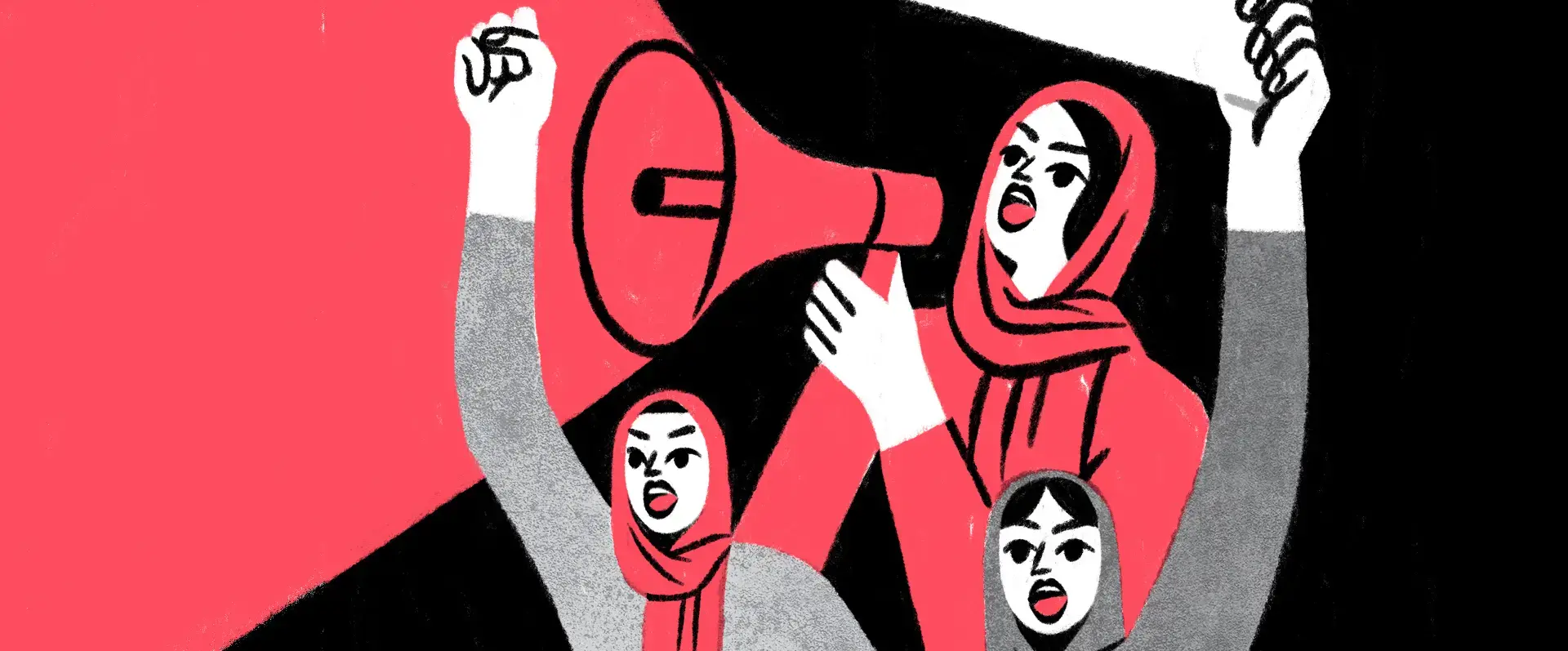
Illustration depicting women protesting. Illustrator: Anina Takeff.

Nasima*, 36, is a peacebuilder and a women’s rights activists. She has been living in Afghanistan all her life. After 15 August 2021, she continued to work in Afghanistan in what would soon become one of the world’s most complex humanitarian emergencies.

It was 8 a.m. and I was in the office on 15 August 2021. One of my colleagues came in and told me to close the office and sent all the women home. The Taliban were at the gates of Kabul. I was studying, finalising my master’s degree; I was the leader of a civil society organisation; and I was running two businesses. For the last 10 months, I had been working on building the biggest network in Afghanistan that brought Afghan women closer to the peace process. Every day, my job was to elevate the voices of Afghan women to the forums where decisions that concerned their future were being made. I was constantly on the ground, travelling from province to province, talking to thousands of Afghan women.

At 11 a.m. on 15 August 2021, I locked my office and went home. That day, I walked home—the roads were blocked as people were trying to get out of Afghanistan. At 6.30 p.m. I saw for the first time the Taliban passing by my house. I remembered the last time they ruled as if it were yesterday—my mother had to wear a burqa, my neighbour’s daughter was married at 11, and my mother would put a big scarf on me every time we would get out of the house. I was eight. Something died inside me on 15 August 2021, or at least that is how I felt: my hopes crushed, my education irrelevant, my investment in Afghanistan gone.

A lot of dark nights followed. My projects involving women had to be shut down; most of my women staff resigned. But I knew I had to do something. I realized the Afghanistan the Taliban were ruling now was different from the Afghanistan of the 1990s. This time they came after two decades of democracy, two decades of women’s rights, where women-led organisations were formed and women became the main advocates for their own rights. I realized not all these women had left the country; not all the educated men had been evacuated. I realized there were still lots of women fighting inside the country. And I chose to be one of them.

On 1 September 2021, I was ready to go back to work. I called my staff—women and men—and asked them to come back to the office. I changed the focus of our organization, but I continued to work for women only. I advocated with the Taliban to ensure the protection of our women staff on the ground. I still faced many issues: the doors of our food distribution centres were closed, my staff was beaten, my laptop was taken, my phone was searched, I was asked to stay silent. But I never gave up. Women would line up at our food distribution centres from 2 a.m. One day, I saw a woman I knew lining up for food. She had a master’s degree and used to work for the Ministry of Culture. Thousands of women used to work for ministries across the country. Now, some of them have to line up for a bag of flour to feed their children.

If I reflect over the last year, it is hard to think of anything positive. Women cannot go to work; they have no rights; they cannot even go to school. Violence at home is now normalized and some women are committing suicide—the last resort when their situation becomes unbearable. But I know we are not alone, I know our story is not different—in times of war, in times of peace, women are the ones suffering the most. Afghanistan needs what any other country in the world needs: women to work, to lead, to turn challenges into opportunities.

* Names, locations, and course of events have been changed in this article to ensure the safety of the Afghan woman human rights defender featured.

UN Women is on the ground in Afghanistan, supporting Afghan women and girls every day. Our in-country strategy pivots around investing in women—from scaling up support for women survivors of violence in provinces where we have never been before to supporting women humanitarian workers in the delivery of essential services and providing seed capital to women-led businesses. Central to our work remains the goal of rebuilding the Afghan women’s movement.

Topics

  • Ending violence against women and girls
  • Gender discrimination
  • Human rights
  • Humanitarian action
  • Asia and the Pacific
  • Afghanistan

Related content

Image
UNWomen_Placeholder
Press briefing

Nine in 10 organizations say trauma persists among women and girls displaced from El Fasher a year after its fall

23 October 2026
Nine in 10 organizations say trauma persists among women and girls displaced from El Fasher a year after its fall
Image
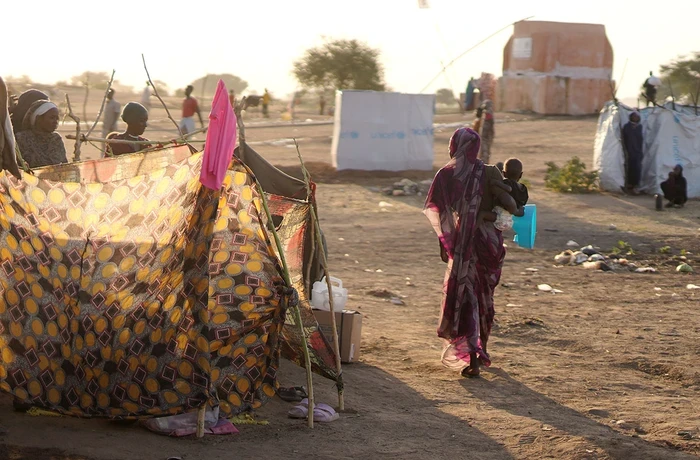
A woman holding a child, facing away from the camera, walks past makeshift tents
Feature

“I feel like I am a warrior”: Sudanese women fight for peace on the front lines of war

23 October 2026
“I feel like I am a warrior”: Sudanese women fight for peace on the front lines of war
Image
UNWomen_Placeholder
Statement

UN Women statement for the International Day of the Girl 2026

11 October 2026
UN Women statement for the International Day of the Girl 2026

Footer menu-HQ

  • News and stories
  • Resources
  • What we do
  • How we work
  • Where we are
  • Partnerships
  • Employment
  • Procurement
  • Contact us
  • Executive Board
  • Commission on the Status of Women

Donate button menu [Footer tablet]

  • Donate

Donate button menu [Footer]

  • Donate

Social media menu

  • Facebook
  • Twitter
  • LinkedIn
  • Flickr
  • YouTube
  • Instagram
UN Women - For all women and girls

Footer bottom [Menu]

  • Copyright
  • Information security
  • Privacy notice
  • Report wrongdoing
  • Terms of use
Share this page
  • Share to Facebook
  • Share to Twitter
  • Share to LinkedIn
  • Share to E-mail

Or copy link