
Universal menu

  • Global
  • Regions
    • Africa
    • Americas and the Caribbean
    • Arab States
    • Asia and the Pacific
    • Europe and Central Asia
  • Knowledge
  • Data
  • Training
  • Transparency
UN Women - For all women and girls

Main Navigation-HQ

  • Who we are
    • About us
      • About UN Women
      • Business model
      • Guiding documents
      • Worldwide presence
    • Leadership
      • Governance structure
      • Executive leadership
      • Executive Board
      • Accountability
    • Work with us
      • Employment
      • Procurement
      • Calls for proposals
      • Contact us
      • UN Women Strategic Plan 2026–2029
      • UN Women Strategic Plan 2026–2029 - social media image
        UN Women Strategic Plan 2026–2029
  • What we do
    • Focus areas
      • Ending violence against women
      • Peace and security
      • Humanitarian action
      • Leadership and governance
      • Economic empowerment
      • Innovation and technology
      • Women with disabilities
      • Youth
      • HIV and AIDS
    • How we work
      • 2030 Agenda for Sustainable Development
      • Commission on the Status of Women
      • Gender parity in the UN system
      • Intergovernmental support
      • Partnerships
      • Research and data
      • Training Centre
      • Trust funds
      • UN system coordination
      • Gender Equality Accelerators
      • Gender Equality Accelerators artwork
        Gender Equality Accelerators
  • News and stories
    • Latest
      • News
      • Articles and explainers
      • In focus
    • Media center
      • Press materials
      • Media contacts
      • Explainer: Why are women so exhausted? Care work and the mental load
      • Two adults stand at a table changing diapers on baby dolls, with laundry hanging on a clothesline behind them in a home setting.
        Explainer: Why are women so exhausted? Care work and the mental load
      • Press release: Aid cuts dismantle women’s organizations working in humanitarian crises
      • A young Ugandan woman sits with another local woman to talk
        Press release: Aid cuts dismantle women’s organizations working in humanitarian crises
  • Digital library
    • Resources
      • Publications
      • Annual reports
      • Gender snapshot
      • Progress of the world’s women
      • World survey on the role of women in development
    • GenderTerm
      • GenderTerm
      • Reprint permissions
      • UN Women Highlights 2025–2026
      • A smiling woman.
        UN Women Highlights 2025–2026
      • Gender snapshot 2026
      • A diverse group of people represented as simplified silhouettes, arranged against a dark blue background.
        Gender snapshot 2026
  • Get involved
    • How to get involved
      • For ALL Women and Girls
      • International Women's Day
      • 16 Days of Activism to End Violence against Women and Girls
      • UNiTE! Campaign to End Violence against Women
      • Generation Equality
      • He for She
Ask AI
https://84e5cfacd5c7e99f9825edf344450c.1b.environment.api.powerplatform.com/powervirtualagents/botsbyschema/crad4_websiteQA/directline/token?api-version=2022-03-01-preview
1
-
Ask your question here
AI website assistant

Hello, how can I assist you?

AI chatbot responses may be incorrect. Always verify important information.

Donate button menu

Donate

Breadcrumb

  1. Home
  2. News and stories
  3. Feature story

Website survey

We want to know how we can improve your experience on this website. Completing this survey takes less than 5 minutes.

TAKE THE SURVEY
Feature

Trained in agriculture, women Palestinian refugees gain new confidence

20 June 2022
  • Share to Facebook
  • Share to Twitter
  • Share to LinkedIn
  • Share to E-mail

Originally posted on UN Women's country website for Lebanon

Aida Ghadban is a Palestinian refugee living in Al Rashidieh camp, the second most populous Palestinian refugee camp in Lebanon. Aida helped train over 100 women to grow vegetables on their home’s rooftops. This activity was a turning point for these women, who regained self-confidence and felt they were finally making a difference in their community. 

Image
Aida Ghadban with her homegrown rooftop plants. Photo: UN Women/Lauren Rooney

Since she was young, Aida has always loved to make handicrafts out of recyclable items such as old CDs, old fabrics and flower petals. Since she was only able to study until ninth grade, she wanted to upgrade her knowledge and explore new paths for self-development. 

“I am passionate about gardening and recycling, and I always wanted to pass on my know-how to other women. My daughter used to work with Amel Association, a local NGO. One day, she showed her supervisor my handicrafts. He was so impressed that he asked me to train 60 Lebanese and Palestinian, Syrian women at the NGO’s center in Tyre. Over the course of two years, I taught these women how to upcycle old jars and give them a whole new lease on life. We also crafted fridge magnets, frames and plastic flowers for home decoration”, says Aida.

At Al Rashidieh camp for Palestinian refugees, in South Lebanon, most inhabitants love growing flowers, whether on the porch or rooftop or in small plots of land near their houses. Some families plant vegetables and sell them to increase their income, but it is predominantly a man’s job.  

Between September 2020 and December 2021, Anera, an American non-governmental organization that provides humanitarian and development aid, established an agricultural project funded by UNRWA in the camp. In the context of this project aimed at engaging women in environmental hygiene, Aida was trained alongside seven other women from the camp on planting. Then, they taught 100 other women how to grow vegetables on their rooftops or in small plots of land: “They learned useful tips including the distance between plants per row, and how to repel insects. Every day I would visit these women at home, to make sure they are taking good care of their plants and watering them".

The project lasted four months and has changed the lives of many women. Aida says, “The activity they enrolled in gave them a sense of freedom and they regained self-confidence, they felt they were giving back to their community. They were happy to accomplish new tasks, beyond routine house chores. The training was a turning point; They felt like they were giving back to their families”.

Aida says that sometimes as she walks down the camp streets, she meets women who express their wish for an extension of the rooftop gardening project. These women plant vegetables grown in winter, such as lettuce, broccoli, cauliflower, cabbage, parsley, coriander, purslane, radish and cucumber. Aida notes, “These women were finally helping maintain household expenses within budget. One of them was thrilled to prepare meals for Ramadan iftars from homegrown vegetables instead of purchasing them at the local grocery shop”.

The trainees’ spouses also supported their eagerness to learn new skills. Not only were the women enjoying their time and growing vegetables they would either sell or cook, but it also helped them to become self-sufficient and contribute to the household’s economy. Aida is convinced an expansion of the rooftop gardening project is vital for the sustainability of the camp and the livelihood of women living there. 

Aida is aware of the importance of preserving a healthy environment. She notes, “Our environment is our life. Pollution leads to diseases and the spread of viruses which will endanger our health. We can take the right steps to keep our communities clean. I separate non-organic rubbish plastic such as glass from biodegradable waste. I give surplus food to neighbors who raise chickens. Why throw coffee jars away when we can reuse them as spice and pepper containers? Let us pay more attention to what should be thrown away and what can be recycled or upcycled”.

Topics

  • Environmental protection
  • Economic empowerment
  • Women farmers
  • Humanitarian action
  • Arab States/North Africa
  • Lebanon

Related content

Image
UNWomen_Placeholder
Statement

UN Women statement for the International Day of Care and Support 2026

28 October 2026
UN Women statement for the International Day of Care and Support 2026
Image
UNWomen_Placeholder
Press briefing

Nine in 10 organizations say trauma persists among women and girls displaced from El Fasher a year after its fall

23 October 2026
Nine in 10 organizations say trauma persists among women and girls displaced from El Fasher a year after its fall
Image
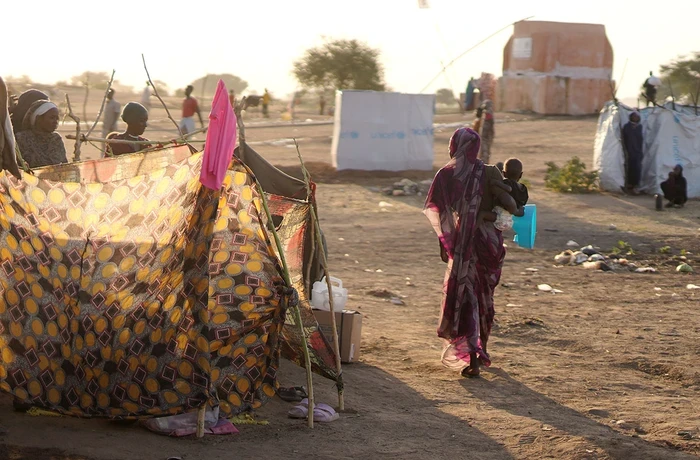
A woman holding a child, facing away from the camera, walks past makeshift tents
Feature

“I feel like I am a warrior”: Sudanese women fight for peace on the front lines of war

23 October 2026
“I feel like I am a warrior”: Sudanese women fight for peace on the front lines of war

Footer menu-HQ

  • News and stories
  • Resources
  • What we do
  • How we work
  • Where we are
  • Partnerships
  • Employment
  • Procurement
  • Contact us
  • Executive Board
  • Commission on the Status of Women

Donate button menu [Footer tablet]

  • Donate

Donate button menu [Footer]

  • Donate

Social media menu

  • Facebook
  • Twitter
  • LinkedIn
  • Flickr
  • YouTube
  • Instagram
UN Women - For all women and girls

Footer bottom [Menu]

  • Copyright
  • Information security
  • Privacy notice
  • Report wrongdoing
  • Terms of use
Share this page
  • Share to Facebook
  • Share to Twitter
  • Share to LinkedIn
  • Share to E-mail

Or copy link