Universal menu

  • Global
  • Regions
    • Africa
    • Americas and the Caribbean
    • Arab States
    • Asia and the Pacific
    • Europe and Central Asia
  • Knowledge
  • Data
  • Training
  • Transparency
UN Women - For all women and girls

Main Navigation-HQ

  • Who we are
    • About us
      • About UN Women
      • Business model
      • Guiding documents
      • Worldwide presence
    • Leadership
      • Governance structure
      • Executive leadership
      • Executive Board
      • Accountability
    • Work with us
      • Employment
      • Procurement
      • Calls for proposals
      • Contact us
      • UN Women Strategic Plan 2026–2029
      • UN Women Strategic Plan 2026–2029 - social media image
        UN Women Strategic Plan 2026–2029
  • What we do
    • Focus areas
      • Ending violence against women
      • Peace and security
      • Humanitarian action
      • Leadership and governance
      • Economic empowerment
      • Innovation and technology
      • Women with disabilities
      • Youth
      • HIV and AIDS
    • How we work
      • 2030 Agenda for Sustainable Development
      • Commission on the Status of Women
      • Gender parity in the UN system
      • Intergovernmental support
      • Partnerships
      • Research and data
      • Training Centre
      • Trust funds
      • UN system coordination
      • Gender Equality Accelerators
      • Gender Equality Accelerators artwork
        Gender Equality Accelerators
  • News and stories
    • Latest
      • News
      • Articles and explainers
      • In focus
    • Media center
      • Press materials
      • Media contacts
      • Explainer: Why are women so exhausted? Care work and the mental load
      • Two adults stand at a table changing diapers on baby dolls, with laundry hanging on a clothesline behind them in a home setting.
        Explainer: Why are women so exhausted? Care work and the mental load
      • Press release: Aid cuts dismantle women’s organizations working in humanitarian crises
      • A young Ugandan woman sits with another local woman to talk
        Press release: Aid cuts dismantle women’s organizations working in humanitarian crises
  • Digital library
    • Resources
      • Publications
      • Annual reports
      • Gender snapshot
      • Progress of the world’s women
      • World survey on the role of women in development
    • GenderTerm
      • GenderTerm
      • Reprint permissions
      • UN Women Highlights 2025–2026
      • A smiling woman.
        UN Women Highlights 2025–2026
      • Gender snapshot 2026
      • A diverse group of people represented as simplified silhouettes, arranged against a dark blue background.
        Gender snapshot 2026
  • Get involved
    • How to get involved
      • For ALL Women and Girls
      • International Women's Day
      • 16 Days of Activism to End Violence against Women and Girls
      • UNiTE! Campaign to End Violence against Women
      • Generation Equality
      • He for She
Ask AI
https://84e5cfacd5c7e99f9825edf344450c.1b.environment.api.powerplatform.com/powervirtualagents/botsbyschema/crad4_websiteQA/directline/token?api-version=2022-03-01-preview
1
-
Ask your question here
AI website assistant

Hello, how can I assist you?

AI chatbot responses may be incorrect. Always verify important information.

Donate button menu

Donate

Breadcrumb

  1. Home
  2. News and stories
  3. Feature story

Website survey

We want to know how we can improve your experience on this website. Completing this survey takes less than 5 minutes.

TAKE THE SURVEY
Feature

UN Women urges immediate global action to end oppression of Afghan women and girls
10 June 2024
  • Share to Facebook
  • Share to Twitter
  • Share to LinkedIn
  • Share to E-mail
Image
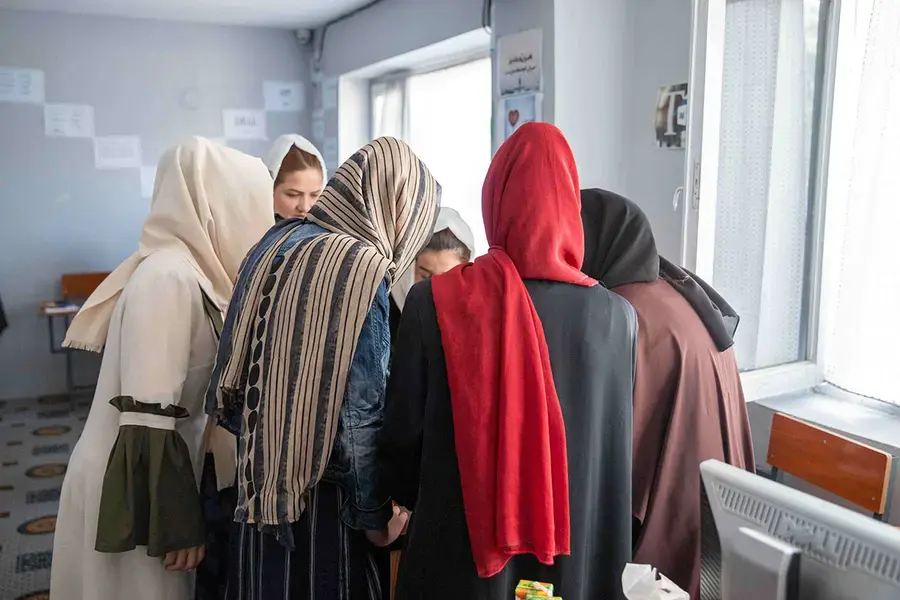
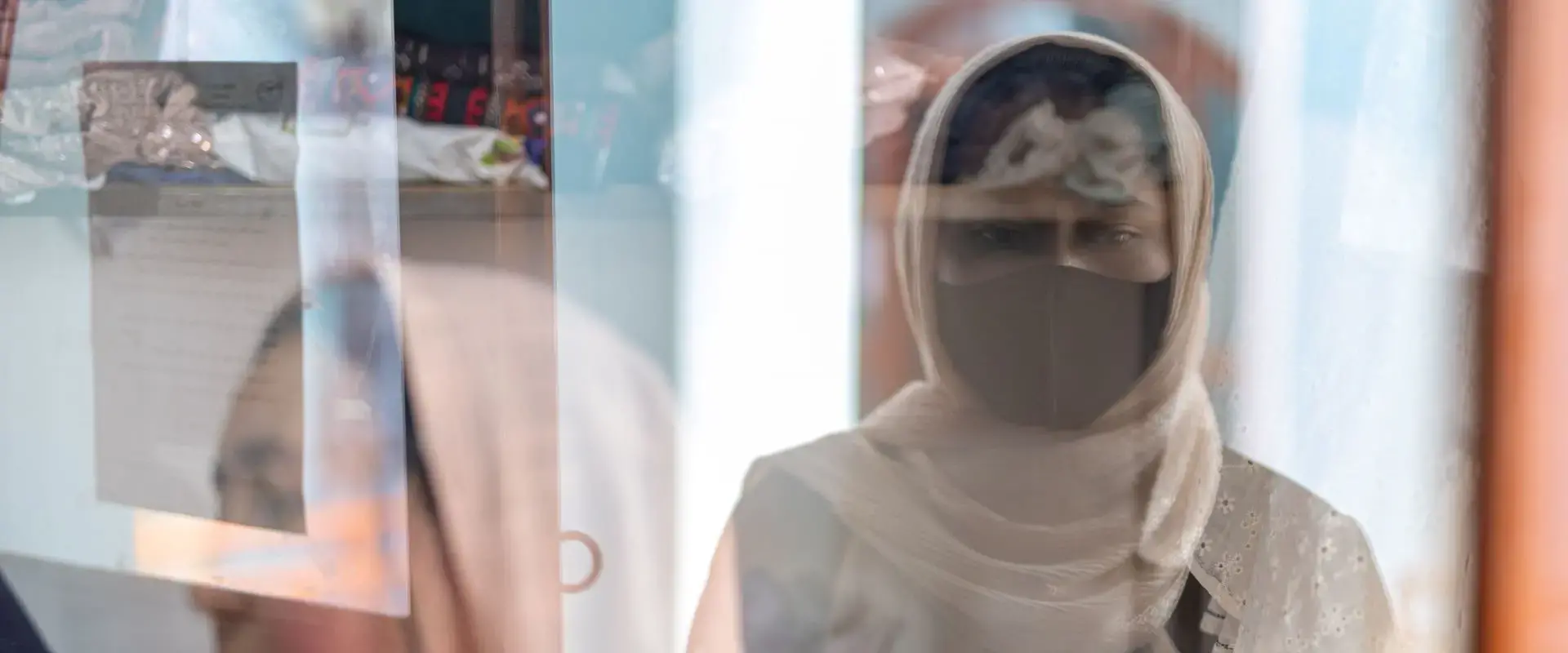
UN Women is on the ground in Afghanistan, supporting Afghan women and girls every day.
UN Women is on the ground in Afghanistan, supporting Afghan women and girls every day. Photo credit: UN Women/Sayed Habib Bidell

Women’s rights in Afghanistan have always been a matter of fierce struggle over regimes and generations, but the oppression that Afghan women and girls are experiencing since August 2021 is unmatched in terms of scale and generational impact.

That challenge is presented in detail in the first Gender Country Profile on Afghanistan published since the Taliban takeover in August 2021, developed by UN Women with financial support from the European Union.

The profile analyses the in-country gender equality infrastructure over the past 40 years, and traces how decades of progress on gender equality has been erased by a patchwork of over 70 decrees, directives, statements, and systemized practices introduced by the Taliban in less than three years targeting the rights, lives, and bodies of Afghan women and girls.[1] The profile analyses how rollbacks on gender equality are impacting progress and limiting opportunities across all sectors of development.
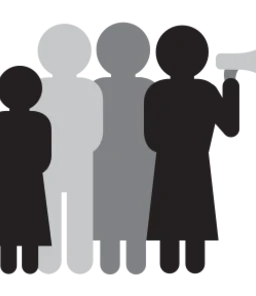
1% of women feel they have influence in their communities.
1%

of women feel they have influence in their communities.[2]

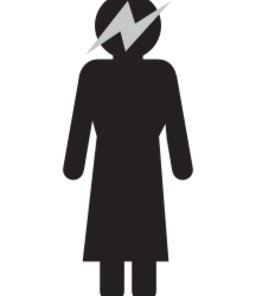
8% of respondents to a survey indicate knowing at least a woman or girl who had attempted suicide since August 2021.
8%

of respondents to a survey indicate knowing at least a woman or girl who had attempted suicide since August 2021.[3]


of women report not meeting once with women outside their immediately family in the last three months.
18%

of women report not meeting once with women outside their immediately family in the last three months.[4]

The deprivation of women’s rights has had devastating impacts that will have inter-generational consequences. Assessing the impact of the bans on the right to education, the Gender Profile shows that leaving 1.1 million girls out of school and more than 100,000 women out of university[5] is correlated with in an increased risk of maternal mortality by at least 50 per cent.[6]

Afghan women are also left with little to no space to influence decisions impacting their lives. There are no women leaders in the Taliban care-taker administration and UN Women data shows that only 1 per cent of women feel they have influence in their communities.[7] Afghan women are also restricted in interacting regularly with other women – 18 per cent report not meeting once with women outside their immediate family in the three preceding months.[8] Social isolation pushes women and girls into despair. Eight per cent of respondents to a survey indicate knowing at least one woman or girl who had attempted suicide since August 2021.[9]

“Women want the right to make decisions, not just in their homes but in government and other spaces. They want an education. They want to work. They want their rights,” said one 26-year-old Afghan woman who spoke to UN Women as one of the community leaders supporting our work on the ground.

“Our unclear future really leaves us disappointed, and I don’t know how long I will be able to keep helping and how long we will be able to keep living like this,” she said. “We need to live a better life, especially as women.”

The Gender Country Profile highlights that while gender-based oppression is foundational to the Taliban vision for society, Afghan women continue to serve their communities and advocate for their rights. Nearly three years since the takeover, the resolve of Afghan women grows stronger as their status and situation continues to deteriorate.

“Afghan women demonstrate extraordinary resilience. In the face of incredible challenges, women continue to run organizations and businesses and deliver services. We must invest in their resilience. Afghanistan must remain high on the international agenda,” said Alison Davidian, UN Women Special Representative in Afghanistan.

The Gender Country Profile provides recommendations to all stakeholders for action in support of Afghan women and girls:

  • Allocate long-term flexible funding: Provide sustained and adaptable funding to strengthen women's civil society organizations.
  • Direct funding for gender equality: Ensure that at least 30 per cent of all funding to Afghanistan is dedicated to initiatives explicitly aimed at promoting gender equality and women's rights, avoiding support for gender-blind projects.
  • Avoid normalizing discriminatory practices: Implement measures to prevent actions that could unintentionally support or normalize the Taliban's discriminatory policies, norms, and values.
  • Integrate human rights in all actions: Incorporate human rights, with a special focus on women’s rights, as a fundamental aspect in all humanitarian activities and basic human needs interventions.

Funded by the European Union, the Afghanistan Gender Country Profile contributes to the Gender Action Plan in External Action 2021 –2027 (GAP III). To read the full Gender Profile, click here.

Image
UNW-EU lockup

Read more about women in Afghanistan

4
5
Image
Afghanistan gender profile 2024
Report
Gender Profile
Gender Profile
Image
In the words of Lina - Afghanistan
Feature
In the words of Lina: “Women want the right to make decisions, not just in their homes but in government and other spaces”
Image
As spaces for women to meet, share and learn continue to be constricted in Afghanistan, UN Women is offering various types of support and training for 113 women-led organizations.
Feature
Rebuilding the women’s movement in Afghanistan, one organization at a time
Image
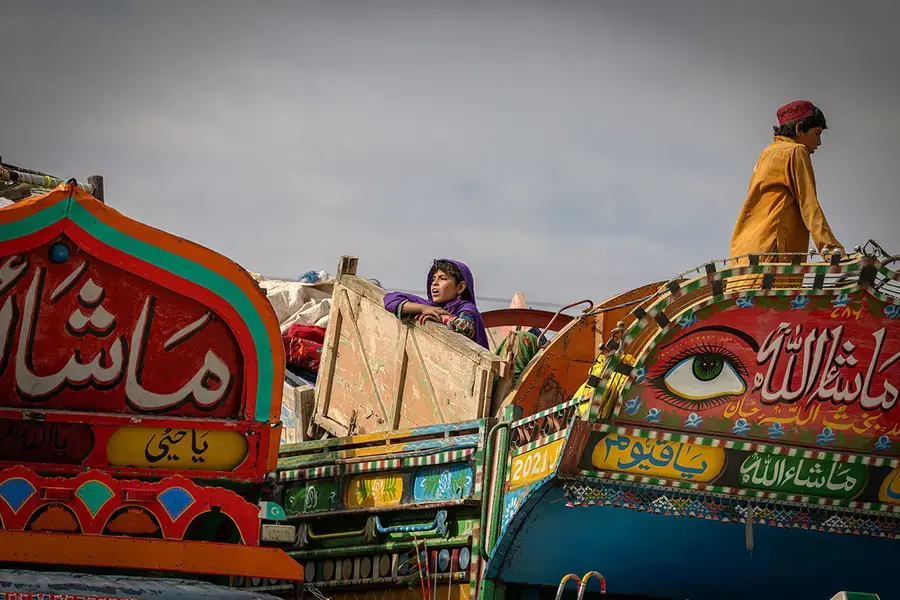
A young Afghan girl waits for her family to receive assistance at the Spin Boldak border crossing. Photo: IOM/Mohammad Osman Azizi.
Photo essay
A glimpse into the lives of Afghan women
Image
[cover]
Brief
Future projections for Afghan women and girls

About UN Women Afghanistan:

UN Women is on the ground in Afghanistan, supporting Afghan women and girls every day. Our in-country strategy centres on investing in women—from scaling up support to women’s organizations and women humanitarian workers delivering life-saving services, to investing in women-led businesses. This work is only possible with the instrumental support of our Afghan women staff.

[1] Estimated figure based on decrees, directives, and statements in the form of media reports, letters, audio, text, social media messages, and reports of practices by DFA officials reported between August 2021 and March 2024. 

[2] UN Women, IOM, UNAMA. 2024. Summary Report of Quarterly Consultations with Afghan Women: January 2024.

[3] DROPS. 2023. Bishnaw March 2023 Survey: Impact of Taliban Restrictions on Afghan Women’s Economic Conditions and Mental Health.

[4] UN Women, IOM, UNAMA. 2023. Summary Report of Quarterly Consultations with Afghan Women: December 2023.

[5] Education Cluster and UNICEF monitoring data as per OCHA. Humanitarian Needs Overview 2023. 

[6] UN Women. 2024. Future projections for Afghan women and girls: “We hope we will not be left alone to fight for our rights”.

[7] UN Women, IOM, UNAMA. 2024. Summary Report of Quarterly Consultations with Afghan Women: January 2024.

[8] UN Women, IOM, UNAMA. 2023. Summary Report of Quarterly Consultations with Afghan Women: December 2023.

[9] DROPS. 2023. Bishnaw March 2023 Survey: Impact of Taliban Restrictions on Afghan Women’s Economic Conditions and Mental Health.

Topics

  • Gender equality and women’s empowerment
  • Gender discrimination
  • Peace and security
  • Access to justice post-conflict
  • Asia and the Pacific
  • Afghanistan

Related content

Image
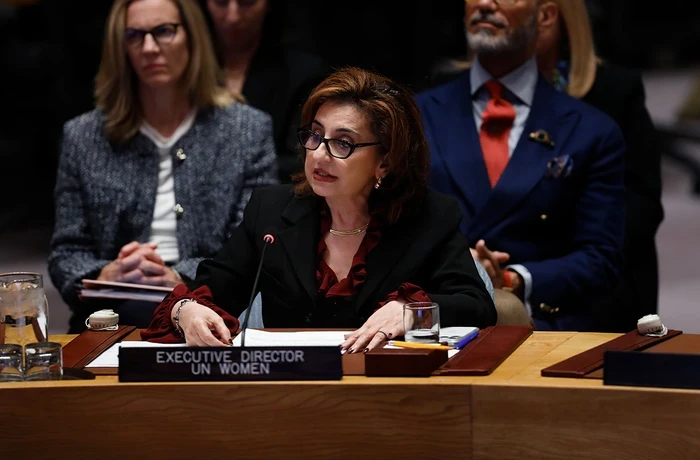
UN Under-Secretary-General and UN Women Executive Director Sima Bahous delivers remarks to the Security Council open debate on women and peace and security, UN headquarters, 27 October 2026. Photo: UN Women/Ryan Brown.
Speech

Speech: Do we have the courage to share power, the resolve to invest in women’s leadership, and the political will to turn our commitments into action?

27 October 2026
Speech: Do we have the courage to share power, the resolve to invest in women’s leadership, and the political will to turn our commitments into action?
Image
UNWomen_Placeholder
Press release

Women and girls’ death toll in armed conflict doubles since 2021

26 October 2026
Women and girls’ death toll in armed conflict doubles since 2021
Image
UNWomen_Placeholder
Press briefing

The UN Secretary General’s report on Women, Peace, and Security

26 October 2026
The UN Secretary General’s report on Women, Peace, and Security

Footer menu-HQ

  • News and stories
  • Resources
  • What we do
  • How we work
  • Where we are
  • Partnerships
  • Employment
  • Procurement
  • Contact us
  • Executive Board
  • Commission on the Status of Women

Donate button menu [Footer tablet]

  • Donate

Donate button menu [Footer]

  • Donate

Social media menu

  • Facebook
  • Twitter
  • LinkedIn
  • Flickr
  • YouTube
  • Instagram
UN Women - For all women and girls

Footer bottom [Menu]

  • Copyright
  • Information security
  • Privacy notice
  • Report wrongdoing
  • Terms of use
Share this page
  • Share to Facebook
  • Share to Twitter
  • Share to LinkedIn
  • Share to E-mail

Or copy link