
Universal menu

  • Global
  • Regions
    • Africa
    • Americas and the Caribbean
    • Arab States
    • Asia and the Pacific
    • Europe and Central Asia
  • Knowledge
  • Data
  • Training
  • Transparency
UN Women - For all women and girls

Main Navigation-HQ

  • Who we are
    • About us
      • About UN Women
      • Business model
      • Guiding documents
      • Worldwide presence
    • Leadership
      • Governance structure
      • Executive leadership
      • Executive Board
      • Accountability
    • Work with us
      • Employment
      • Procurement
      • Calls for proposals
      • Contact us
      • UN Women Strategic Plan 2026–2029
      • UN Women Strategic Plan 2026–2029 - social media image
        UN Women Strategic Plan 2026–2029
  • What we do
    • Focus areas
      • Ending violence against women
      • Peace and security
      • Humanitarian action
      • Leadership and governance
      • Economic empowerment
      • Innovation and technology
      • Women with disabilities
      • Youth
      • HIV and AIDS
    • How we work
      • 2030 Agenda for Sustainable Development
      • Commission on the Status of Women
      • Gender parity in the UN system
      • Intergovernmental support
      • Partnerships
      • Research and data
      • Training Centre
      • Trust funds
      • UN system coordination
      • Gender Equality Accelerators
      • Gender Equality Accelerators artwork
        Gender Equality Accelerators
  • News and stories
    • Latest
      • News
      • Articles and explainers
      • In focus
    • Media center
      • Press materials
      • Media contacts
      • Explainer: Why are women so exhausted? Care work and the mental load
      • Two adults stand at a table changing diapers on baby dolls, with laundry hanging on a clothesline behind them in a home setting.
        Explainer: Why are women so exhausted? Care work and the mental load
      • Press release: Aid cuts dismantle women’s organizations working in humanitarian crises
      • A young Ugandan woman sits with another local woman to talk
        Press release: Aid cuts dismantle women’s organizations working in humanitarian crises
  • Digital library
    • Resources
      • Publications
      • Annual reports
      • Gender snapshot
      • Progress of the world’s women
      • World survey on the role of women in development
    • GenderTerm
      • GenderTerm
      • Reprint permissions
      • UN Women Highlights 2025–2026
      • A smiling woman.
        UN Women Highlights 2025–2026
      • Gender snapshot 2026
      • A diverse group of people represented as simplified silhouettes, arranged against a dark blue background.
        Gender snapshot 2026
  • Get involved
    • How to get involved
      • For ALL Women and Girls
      • International Women's Day
      • 16 Days of Activism to End Violence against Women and Girls
      • UNiTE! Campaign to End Violence against Women
      • Generation Equality
      • He for She
Ask AI
https://84e5cfacd5c7e99f9825edf344450c.1b.environment.api.powerplatform.com/powervirtualagents/botsbyschema/crad4_websiteQA/directline/token?api-version=2022-03-01-preview
1
-
Ask your question here
AI website assistant

Hello, how can I assist you?

AI chatbot responses may be incorrect. Always verify important information.

Donate button menu

Donate

Breadcrumb

  1. Home
  2. News and stories
  3. From where I stand

Website survey

We want to know how we can improve your experience on this website. Completing this survey takes less than 5 minutes.

TAKE THE SURVEY
From where I stand

From where I stand: “Women coming together, working together, kept me going… Now, we live in fear.”

29 November 2021
  • Share to Facebook
  • Share to Twitter
  • Share to LinkedIn
  • Share to E-mail

Mursal Samadi* had worked as a prosecutor, independent investigator, and a civil society leader for more than 16 years in Afghanistan when the Taliban took over Kabul on 15 August. She remains in Afghanistan, advocating for the rights of Afghan women and girls.

Image
illustration of Mursal Samadi. Credit: Poompat Watanasirikul
Mursal Samadi. Credit: Poompat Watanasirikul

I used to meet with the Minister of Women’s Affairs who brought together women civil society leaders to discuss about how we can work together to serve all Afghan women and girls. The governor of the province awarded me and my organization for the excellent services we were delivering to women and girls facing violence at home. Women coming together, working together, kept me going.

Now, we live in a different reality. The days are slow… I do not remember the last time that I was busy. I go to work only twice a week, and only until midday. When I do, my nephew carries my laptop for me. I do not want people to know that I am going to work. Before, I used to be able to drive to the provinces (to help women). Now when I receive calls from my clients, there is nothing I can do.

There has always been the need to support women and girls, ensure access to life-saving services when they escape violence at home. As a defence lawyer, I came across cases where social norms were [regarded] above the law, where adultery was always a woman’s fault, where men were rarely found guilty of anything. The ending violence against women law we had was not perfect, but it guaranteed to protect the rights of women and girls and allowed us, the members of the judicial system, to show perpetrators they can be punished for their acts. We don’t have this law anymore. The vacuum left by the absence of a legislative framework will be filled with executions without due process, women judges will be replaced by men, who will keep reinforcing the social norms that blamed women.

Men used to refrain from violence as the media would report them, the judiciary system would punish them, the Ministry of Women’s Affairs would take active steps to prevent violence from happening. We have none of this anymore and I believe domestic violence has doubled. Women cannot trust anyone anymore.

When I think about the future of my country, I have mixed feelings. We still see women being denied their right to work, peaceful protests led by women are met with force. What my country needs is an inclusive government.

As an Afghan woman, I encourage the international community to continue upholding, defending, and protecting the rights of Afghan women and girls. We used to be able to able to speak publicly about our challenges, we used to be able come together and find solutions to our challenges. Now, we live in fear and cannot help one another like we used to.”
SDG 16: Peace, Justice and Strong Institutions

UN Women has been in Afghanistan for over a decade and is committed to stay and deliver for Afghan women and girls. UN Women is providing lifesaving services and aid on the ground and facilitating Afghan women leaders’ access to international forums, including the UN Security Council discussions, to drive inclusive progress and peace.

*Names, locations, and course of events have been changed in this article to ensure the safety of the Afghan woman human rights defender featured.

Topics

  • Ending violence against women and girls
  • Humanitarian action
  • Peace and security
  • Asia and the Pacific
  • Afghanistan

Related content

Image
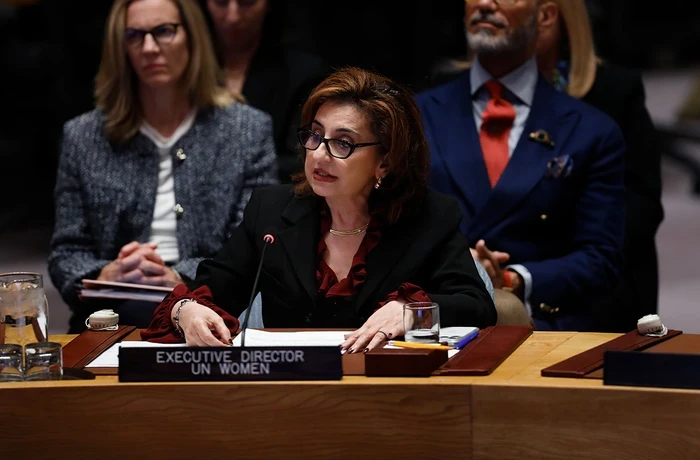
UN Under-Secretary-General and UN Women Executive Director Sima Bahous delivers remarks to the Security Council open debate on women and peace and security, UN headquarters, 27 October 2026. Photo: UN Women/Ryan Brown.
Speech

Speech: Do we have the courage to share power, the resolve to invest in women’s leadership, and the political will to turn our commitments into action?

27 October 2026
Speech: Do we have the courage to share power, the resolve to invest in women’s leadership, and the political will to turn our commitments into action?
Image
UNWomen_Placeholder
Press briefing

The UN Secretary General’s report on Women, Peace, and Security

26 October 2026
The UN Secretary General’s report on Women, Peace, and Security
Image
UNWomen_Placeholder
Press release

Women and girls’ death toll in armed conflict doubles since 2021

26 October 2026
Women and girls’ death toll in armed conflict doubles since 2021

Footer menu-HQ

  • News and stories
  • Resources
  • What we do
  • How we work
  • Where we are
  • Partnerships
  • Employment
  • Procurement
  • Contact us
  • Executive Board
  • Commission on the Status of Women

Donate button menu [Footer tablet]

  • Donate

Donate button menu [Footer]

  • Donate

Social media menu

  • Facebook
  • Twitter
  • LinkedIn
  • Flickr
  • YouTube
  • Instagram
UN Women - For all women and girls

Footer bottom [Menu]

  • Copyright
  • Information security
  • Privacy notice
  • Report wrongdoing
  • Terms of use
Share this page
  • Share to Facebook
  • Share to Twitter
  • Share to LinkedIn
  • Share to E-mail

Or copy link