Universal menu

  • Global
  • Regions
    • Africa
    • Americas and the Caribbean
    • Arab States
    • Asia and the Pacific
    • Europe and Central Asia
  • Knowledge
  • Data
  • Training
  • Transparency
UN Women - For all women and girls

Main Navigation-HQ

  • Who we are
    • About us
      • About UN Women
      • Business model
      • Guiding documents
      • Worldwide presence
    • Leadership
      • Governance structure
      • Executive leadership
      • Executive Board
      • Accountability
    • Work with us
      • Employment
      • Procurement
      • Calls for proposals
      • Contact us
      • UN Women Strategic Plan 2026–2029
      • UN Women Strategic Plan 2026–2029 - social media image
        UN Women Strategic Plan 2026–2029
  • What we do
    • Focus areas
      • Ending violence against women
      • Peace and security
      • Humanitarian action
      • Leadership and governance
      • Economic empowerment
      • Innovation and technology
      • Women with disabilities
      • Youth
      • HIV and AIDS
    • How we work
      • 2030 Agenda for Sustainable Development
      • Commission on the Status of Women
      • Gender parity in the UN system
      • Intergovernmental support
      • Partnerships
      • Research and data
      • Training Centre
      • Trust funds
      • UN system coordination
      • Gender Equality Accelerators
      • Gender Equality Accelerators artwork
        Gender Equality Accelerators
  • News and stories
    • Latest
      • News
      • Articles and explainers
      • In focus
    • Media center
      • Press materials
      • Media contacts
      • Explainer: Why are women so exhausted? Care work and the mental load
      • Two adults stand at a table changing diapers on baby dolls, with laundry hanging on a clothesline behind them in a home setting.
        Explainer: Why are women so exhausted? Care work and the mental load
      • Press release: Aid cuts dismantle women’s organizations working in humanitarian crises
      • A young Ugandan woman sits with another local woman to talk
        Press release: Aid cuts dismantle women’s organizations working in humanitarian crises
  • Digital library
    • Resources
      • Publications
      • Annual reports
      • Gender snapshot
      • Progress of the world’s women
      • World survey on the role of women in development
    • GenderTerm
      • GenderTerm
      • Reprint permissions
      • UN Women Highlights 2025–2026
      • A smiling woman.
        UN Women Highlights 2025–2026
      • Gender snapshot 2026
      • A diverse group of people represented as simplified silhouettes, arranged against a dark blue background.
        Gender snapshot 2026
  • Get involved
    • How to get involved
      • For ALL Women and Girls
      • International Women's Day
      • 16 Days of Activism to End Violence against Women and Girls
      • UNiTE! Campaign to End Violence against Women
      • Generation Equality
      • He for She
Ask AI
https://84e5cfacd5c7e99f9825edf344450c.1b.environment.api.powerplatform.com/powervirtualagents/botsbyschema/crad4_websiteQA/directline/token?api-version=2022-03-01-preview
1
-
Ask your question here
AI website assistant

Hello, how can I assist you?

AI chatbot responses may be incorrect. Always verify important information.

Donate button menu

Donate

Breadcrumb

  1. Home
  2. News and stories
  3. Feature story

Website survey

We want to know how we can improve your experience on this website. Completing this survey takes less than 5 minutes.

TAKE THE SURVEY
Feature

How conflict is experienced across three generations of Lebanese women

UN Women spoke with Lebanese women and girls to understand how the trauma, loss, and realities of conflict are shaping their lives.

2 September 2026
  • Share to Facebook
  • Share to Twitter
  • Share to LinkedIn
  • Share to E-mail

Within weeks of the escalation of hostilities in Lebanon, hundreds of thousands of women and girls had been forced to flee their homes.

Six months on, 175,000 women and girls remain displaced and Israeli airstrikes have killed and injured 3,154 women and children. Homes, schools, and hospitals have been destroyed. People have been left living in fear. 

Despite the June ceasefire agreement, attacks remain regular, and people continue to die.

UN Women spoke with Lebanese women and girls across three generations to understand how the trauma, loss, and realities of this conflict are shaping their lives.

Image
A family sits in the back of a truck, surrounded by their belongings
Hostilities in Lebanon have forced thousands of families to flee their homes. Photo: UN Women/Georges Roukoz

A childhood changed

“In the past, my day would start with preparing to go to school. My friends and I would meet up, and in the afternoon, I would study and we would visit our relatives”, says 15-year-old Carla Youssef.

“Today, my day is different. We go to sleep and wake up to the sounds of shelling, explosions, and warplanes.”

Youssef is in her first year of high school. Instead of being in a classroom with her friends, she is studying online, at least when access to the internet allows.

The hardest thing for Youssef is the fear: “We do not know if we will go to sleep and wake up safe the next day – if we will ever see the ones we love again.”

When shelling began, Youssef and her family would go to the shelter at her grandfather’s house in Qlayaa, staying away from the windows. Then a nearby house was hit and a man and a young girl were killed. Her parents decided they had to flee again, this time to Beirut.

Even though Youssef and her family have recently returned home, the fear remains.

“What I miss the most is sitting in our home without being afraid.”–Carla Youssef (15)

A mother experiencing conflict through her children’s eyes

Like hundreds of thousands of others, 32-year-old Raneen El Khoury was forced to flee her home when the conflict began.

“Everything in our lives changed when the war started. I was displaced to a safe house in Qlayaa. My children left school. This increased the pressure at home. The fear, the anxiety – everything increased, everything changed. Everything became harder.”

El Khoury had lived through the 2006 war, before she became a mother, but says this experience has been different.

She has developed ways to try to protect her children from the worst of the fear and tries to remain strong in front of them. When the shelling comes close, she moves them away from the windows and gathers them together in what she believes is the safest room in the house.
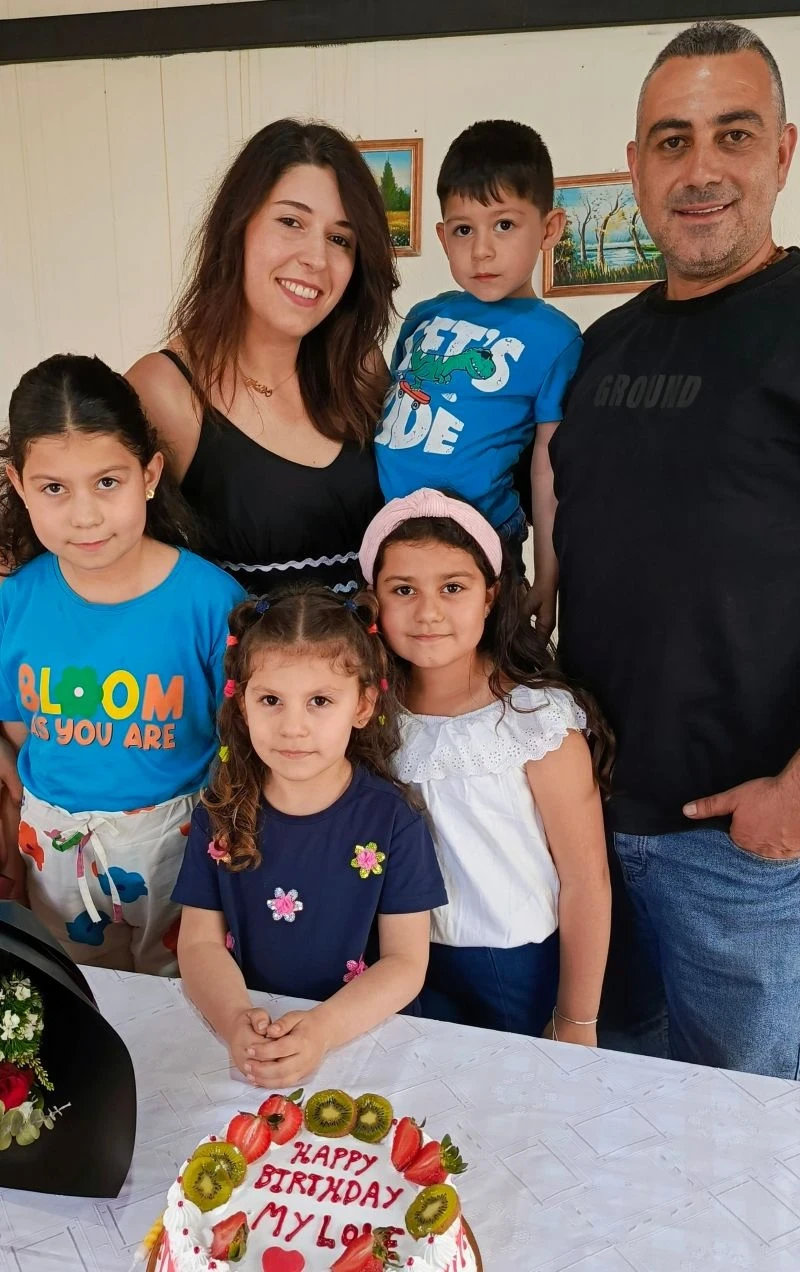
Image
A young family poses together with a birthday cake

Now is perhaps harder [than my experience in the 2006 war] because I have come to know what a child feels and how they get scared.

—Raneen El Khoury (32)

A lifetime of wars and the familiar fear of death

Seventy-two-year-old Marie Lteif Francis – a retired schoolteacher, widow and grandmother – has been through a lifetime of wars. But for her, the 1977 conflict remains the worst. Her family home was shelled, and her then 19-year-old brother was killed in front of her. 

The current conflict has brought back a lot of memories – and fears.

“This daily routine and situation affected me because of the random fear, the continuous warplanes flying over, the airstrikes, and not being able to meet with relatives and loved ones”, says Lteif Francis.

“The biggest fear is death. That is what scared me most because I have experienced it.”

When the weight of the situation becomes too much, she turns to memories of another kind.

Lteif Francis’s connection to her community keeps her going. “The only thing that makes me stay and continue in my village is my love for it. Second is my love for its people, my family. All my relatives are buried in its soil.

“If I leave, I might find a land where I can stay, but I won't find my family and loved ones.”
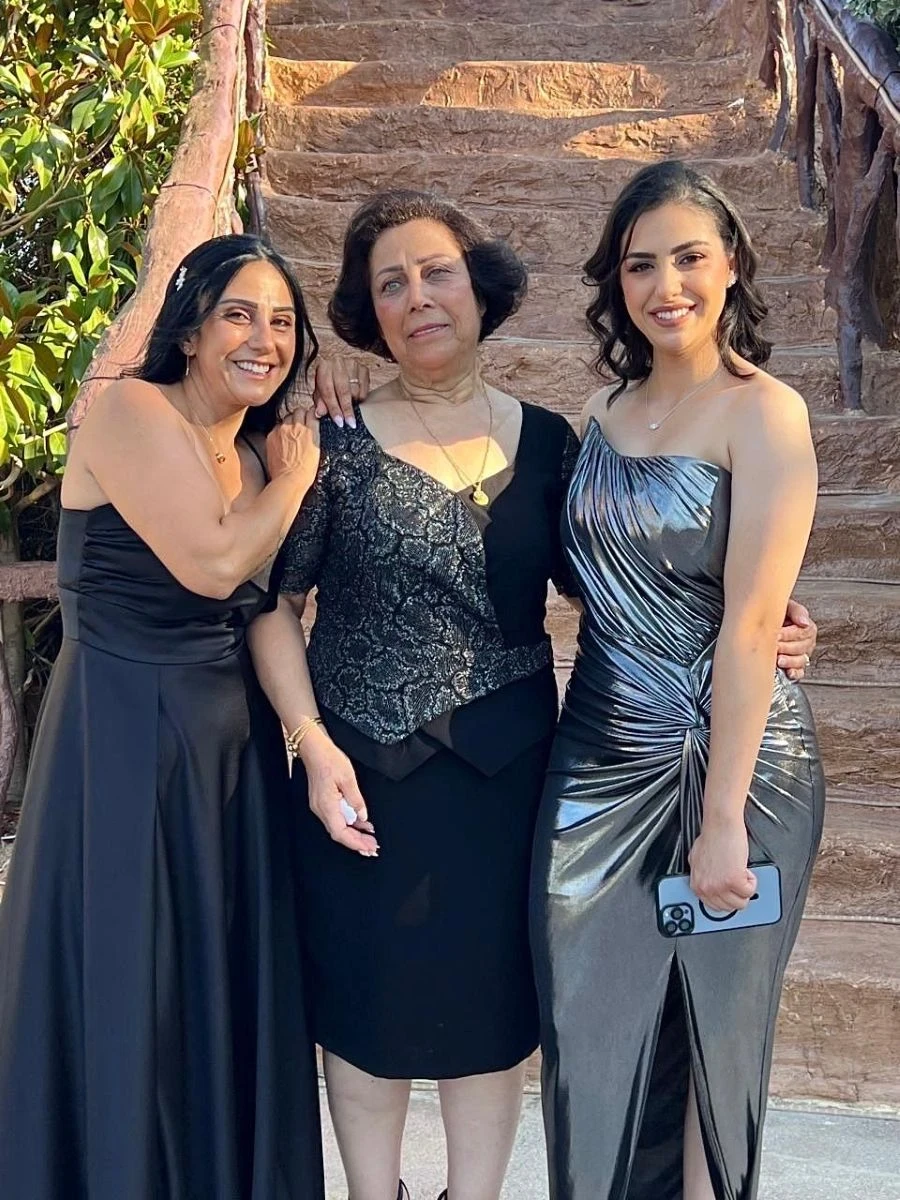
Image
Three generations of women pose together on a special occassion

We must remember the beautiful stories, like love, cooperation, familiarity, honesty, and loyalty. Not stories of war, hatred, and animosity.

—Marie Lteif Francis (72)

Lebanese women and girls have the right to live and learn without fear

Youssef wants the world to see what Lebanese children like her have been through – that they have rights, hopes, and dreams, like anyone else. 

“I want them to see us as children who have the right to live and learn without fear.” She hopes to grow up like other children in Lebanon, able to go to school, travel safely, and pursue her dreams. “My hope is for us to live in peace and achieve our dreams.”

Lteif Francis shares Youssef’s wish: “My hope for my children, grandchildren, and my village is lasting peace.”

UN Women in Lebanon

UN Women is on the ground in Lebanon supporting women, girls, and their communities. Since March 2026, we have reached more than 130,000 people affected by the crisis, providing them with essential services and basic necessities.

UN Women has supported 16 women-led and women’s rights organizations to deliver gender-responsive protection services; mobilized a network of over 500 women peacebuilders to mitigate rising social tensions and support conflict-sensitive humanitarian action; and scaled up community kitchens across eight locations, providing displaced women with income opportunities while supporting vulnerable households.

We work with women leaders to help communities navigate the crisis, connect people to assistance, identify urgent needs, and ensure that women are represented in local response and recovery efforts.

UN Women calls for the ceasefire to be fully upheld and transitioned to comprehensive peace, in line with international humanitarian law and international law. We call for women, peace, and security commitments – ensuring women’s full, equal, and meaningful participation in peacebuilding and in recovery efforts.
 

Topics

  • Humanitarian action
  • Peace and security
  • Conflict, war
  • Arab States/North Africa
  • Lebanon

Related content

Image
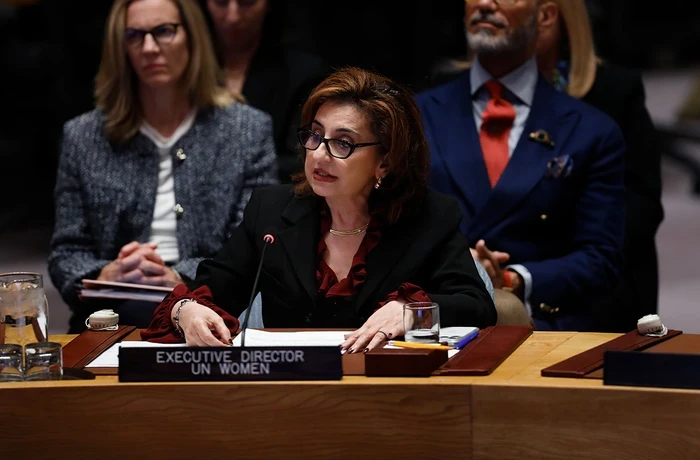
UN Under-Secretary-General and UN Women Executive Director Sima Bahous delivers remarks to the Security Council open debate on women and peace and security, UN headquarters, 27 October 2026. Photo: UN Women/Ryan Brown.
Speech

Speech: Do we have the courage to share power, the resolve to invest in women’s leadership, and the political will to turn our commitments into action?

27 October 2026
Speech: Do we have the courage to share power, the resolve to invest in women’s leadership, and the political will to turn our commitments into action?
Image
UNWomen_Placeholder
Press release

Women and girls’ death toll in armed conflict doubles since 2021

26 October 2026
Women and girls’ death toll in armed conflict doubles since 2021
Image
UNWomen_Placeholder
Press briefing

The UN Secretary General’s report on Women, Peace, and Security

26 October 2026
The UN Secretary General’s report on Women, Peace, and Security

Footer menu-HQ

  • News and stories
  • Resources
  • What we do
  • How we work
  • Where we are
  • Partnerships
  • Employment
  • Procurement
  • Contact us
  • Executive Board
  • Commission on the Status of Women

Donate button menu [Footer tablet]

  • Donate

Donate button menu [Footer]

  • Donate

Social media menu

  • Facebook
  • Twitter
  • LinkedIn
  • Flickr
  • YouTube
  • Instagram
UN Women - For all women and girls

Footer bottom [Menu]

  • Copyright
  • Information security
  • Privacy notice
  • Report wrongdoing
  • Terms of use
Share this page
  • Share to Facebook
  • Share to Twitter
  • Share to LinkedIn
  • Share to E-mail

Or copy link