
Persisting in the pandemic: Youth activism during COVID-19
Two years into the COVID-19 pandemic, the global crisis has impacted nearly every facet of life. From where people work and go to school to how people engage with and build community, lives look vastly different today, especially for the world’s 1.8 billion young people.
Throughout the pandemic, youth have persisted in their activism, calling for sustainable change, equality, justice, and dignity for all. They have been invaluable support for their communities as health systems and social infrastructure are still overwhelmed in many parts of the world.
From insisting on more inclusive societies to pushing for sexual and reproductive health, rights, and education, here are four stories of young people persisting in the pandemic.
Innovating for a more inclusive future
Isidora Gúzman Silva, 16, from Santiago, Chile, is committed to making the world more accessible. Silva, who has cerebral palsy, has experienced life from a wheelchair from a young age.
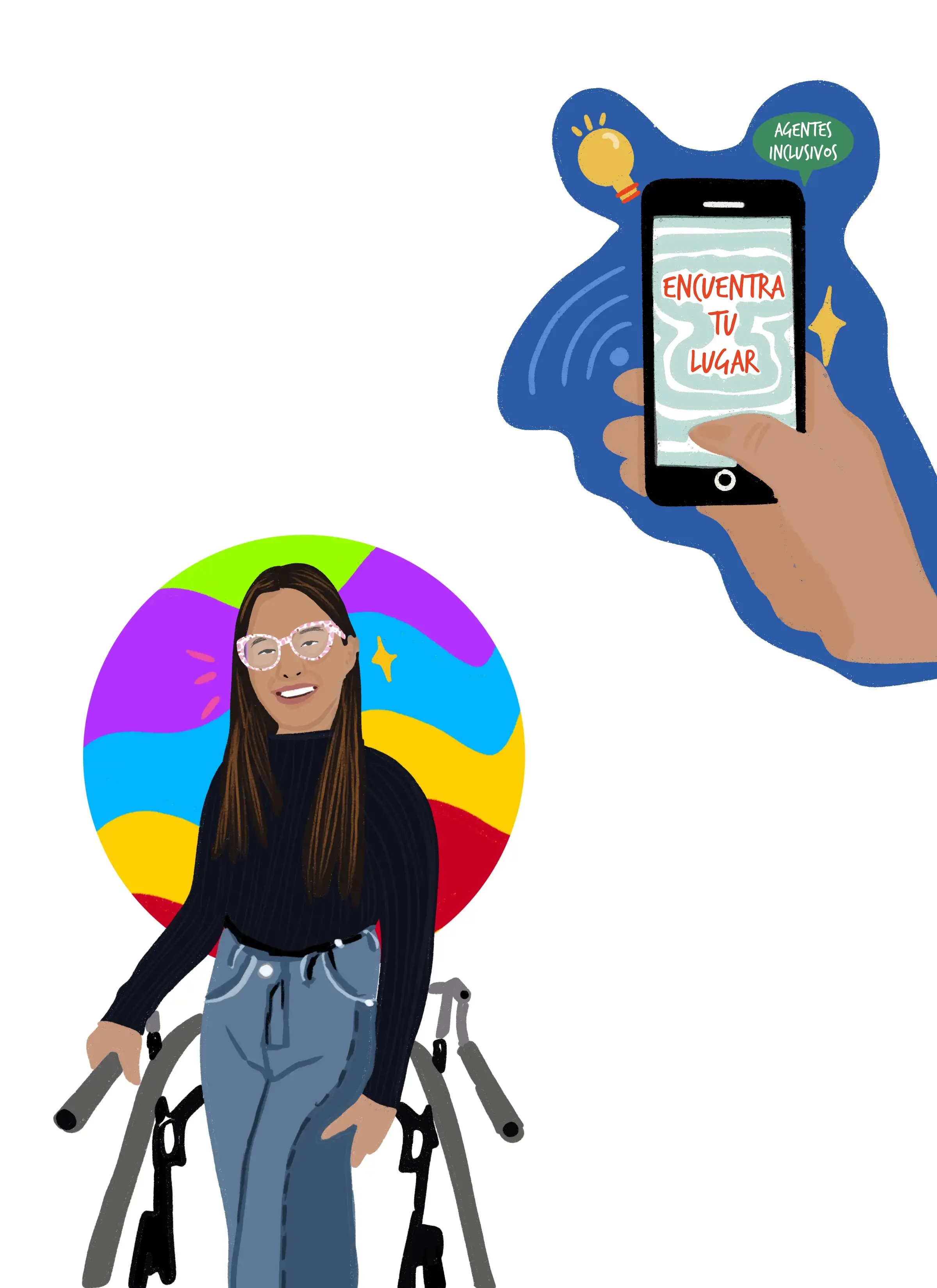
Growing up, she faced significant challenges at school with issues of social exclusion and a lack of infrastructure in schools for people with disabilities. After finding a new school and empowering mentors that helped her to see her disability as a motivating force, Silva set out to make the world more accessible.
Combining her passions for inclusivity and innovation, she created an app called “Encuentra tu lugar” or “Find your place” that connects young people with disabilities to opportunities. When the pandemic hit, Silva knew she had an opportunity to further develop her project. She created a website, which helped to grow the online community, which now includes allies who do not have disabilities. Silva coined the term “agentes inclusivos” or “inclusive agents” for people who identify and report instances of exclusion of those with disabilities. “Inclusion activism is for everybody,” Silva says.
Now, with nearly 95,000 followers on social media, Silva reaches people across Chile, Latin America, and beyond. As a national process begins in Chile to create a new constitution, Silva is using her platform to connect with other people pushing for change.
“My organization allows me to be surrounded by people fighting for justice and telling their story. I never imagined that throughout a pandemic, when I was only 14 years old, I would be creating the community that I have today. I feel complete.”
Challenging systemic issues for sexual and reproductive health and rights
For Pauline Gartor, 26, from Liberia, advocating for girls’ education on sexual and reproductive health and rights is deeply personal. At 17 years old, Gartor lost her best friend due to an unsafe abortion, and she also lost her mother to a reproductive health condition.
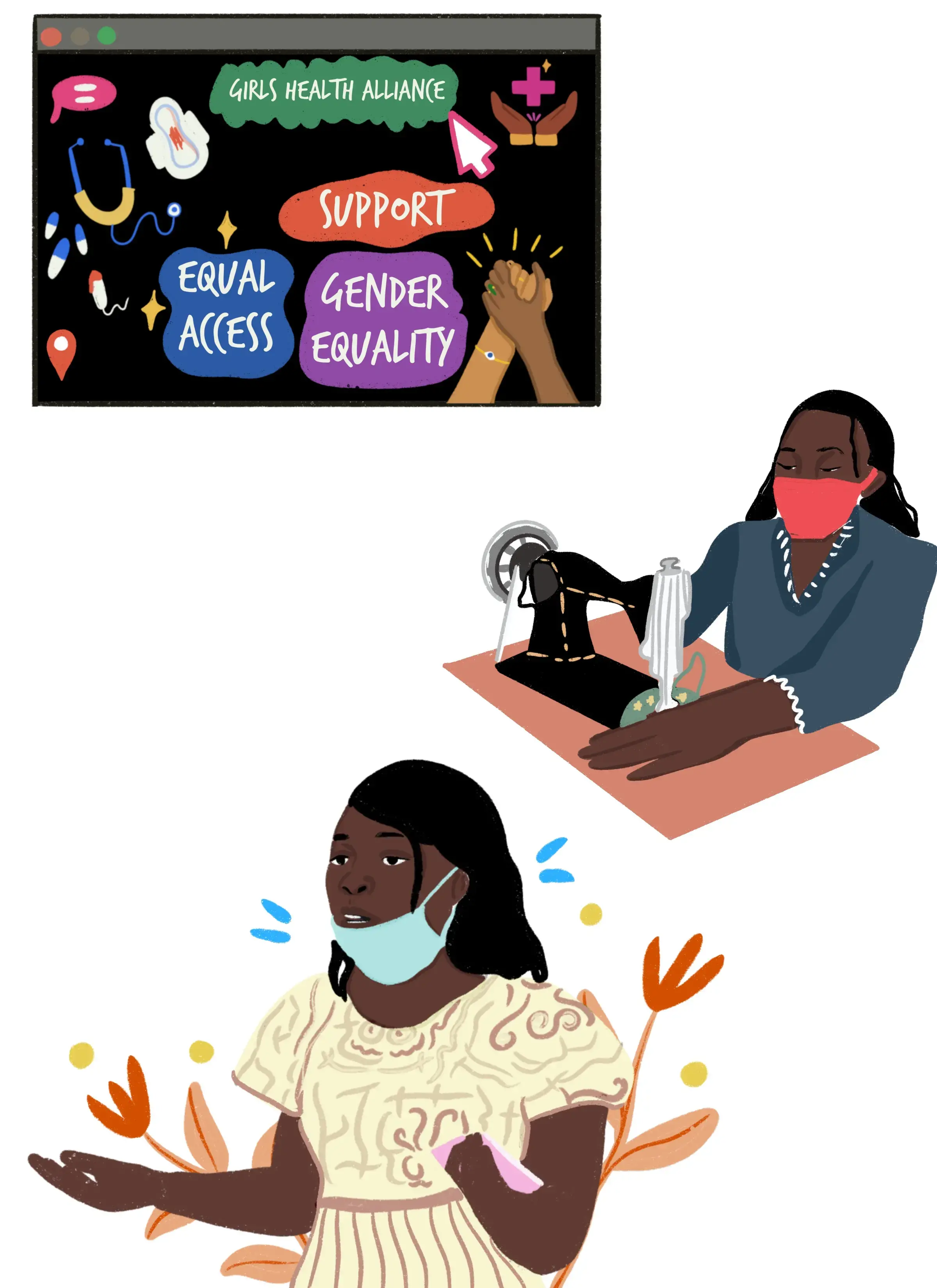
“If these women had access to safe sexual health care, they would have had a second chance,” says Gartor. “It is hard losing the people you love.”
Called to action by the tragic losses she experienced, Gartor and friends founded Girls Health Alliance in 2019. The organization focuses on championing gender justice and establishing sexual health education for women and girls. With Gartor as Executive Director, the organization continued its mission despite the challenges of the pandemic. Raising awareness about issues such as increasing violence against women and teenage pregnancy rates during lockdowns became a new priority.
“The pandemic has worsened conditions for women, and so we all took to the streets in Liberia’s ‘March for Justice’. I marched in Monrovia with thousands of people by my side. Young people demanded that the President address sexual and gender-based violence, because no official political statement had acknowledged the state of women’s lives. Women deserve care and attention for their sexual health.”
Committed to changing the systemic issues around sexual and reproductive health, rights, and education, Gartor’s organization aims to create a community of 5,000 youth activists by 2030. “I want to live in a world where no woman will die of childbirth, where no woman will face teenage pregnancy due to lack of education about her sexual health, and where all women feel safe,” Gartor says.
Advocating for intersectionality
Activism has never felt like a choice for Mohamed Ali “Dali” Raddaoui, 22 years old, from Tunis, Tunisia. As an African, Mediterranean, Arab queer person, Raddaoui believes that living his best life in a society that does not allow people like him to be themselves is a statement.
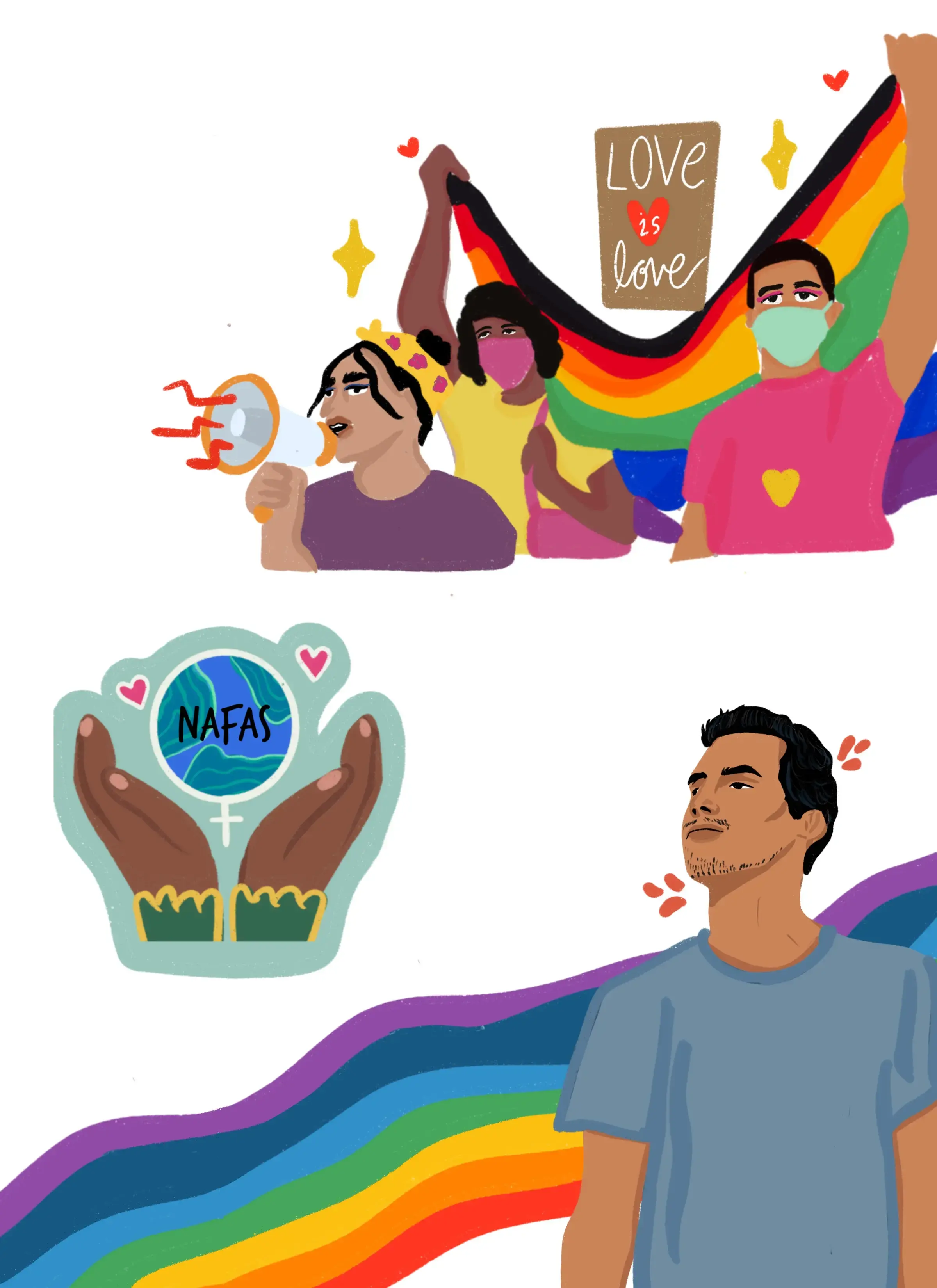
With a passion for queer feminist environmentalism and a background in political science, innovation policies, and business intelligence, Raddaoui combines his interests to work on societal inclusion and environmental protection.
Raddaoui believes in addressing challenges in an intersectional way. When the pandemic hit, he created an organization called Nafas – a coalition of advocates that represent disadvantaged communities and their allies. The organization works across a variety of intersecting causes – the climate crisis, gender equality, and humanitarian action – to empower people and communities.
Expanding on his organization’s work to build community among advocates, Raddaoui participated in the Generation Equality Forum in Mexico (March 2021) and Paris (June 2021) as a National Gender Youth Activist. He also participated in COP26 in Glasgow, Scotland (November 2021) as a young negotiator and party delegate from Tunisia.
Raddaoui vows to continue adding to global efforts to combat queerphobia, discrimination, and environmental exploitation. “As young people, we have the responsibility to bring an intersectional lens to activism. We are dynamic leaders, and the older feminism waves do not match the one I believe in.”
Uniting young activists
Valentina Urtan, 26 years old, from Ukraine, was 18 when the “Revolution of Dignity” took place in Ukraine. Urtan went to Kyiv’s main square to support her community.
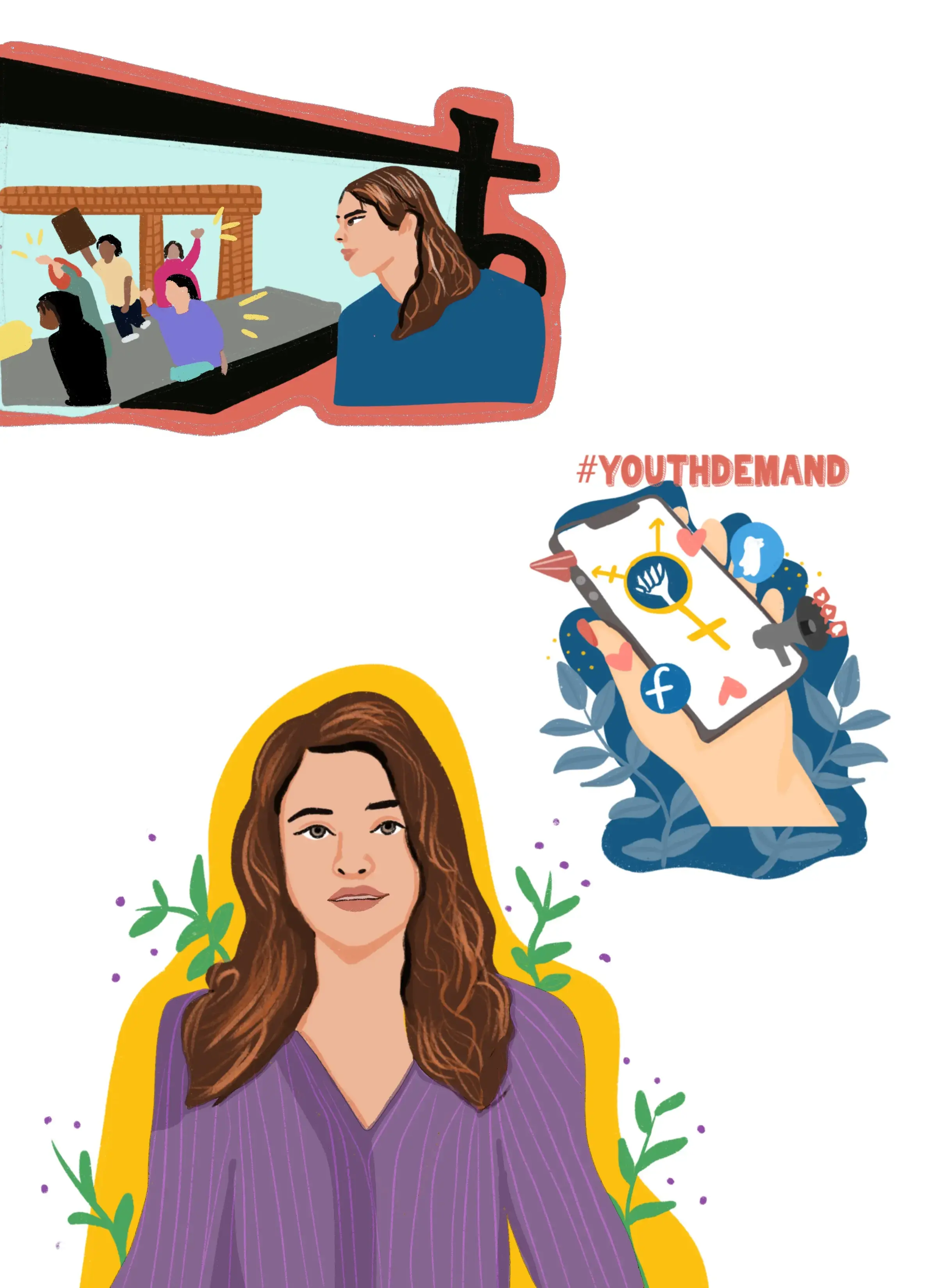
“There were a lot of young people like me who also cared, and who also wanted to make a difference. Although there are many moments in my life that led me towards my activism, I think that these first moments of the Revolution of Dignity instilled in me that I have the power to create change.”
When the COVID-19 pandemic hit and many activists shifted to working online, Urtan co-lead a social media campaign called #YouthDemand which focuses on creating better relationships and building bridges between young activists, civil society, the private sector, government actors, and the United Nations.
“We asked young people what their goals were regarding gender equality in their country and internationally; it was very powerful,” Urtan says. Nominated by UN Women for her work in activism, Valentina became a National Gender Youth Activist at the Generation Equality Forum in Mexico (March 2021) and Paris (June 2021). “Even though we were at home because of the (COVID-19) lockdowns in our countries, being able to connect online helped us support each other in these hard times and actually made it possible to create projects that united thousands of people.”
As a young activist, Urtan has big dreams for the future and hopes to leverage momentum from the successful campaign and collaborations over the past two years. “I dream of a world where all people are advocated for. Helping people starts with learning more about the challenges they face.”


