Universal menu

  • Global
  • Regions
    • Africa
    • Americas and the Caribbean
    • Arab States
    • Asia and the Pacific
    • Europe and Central Asia
  • Knowledge
  • Data
  • Training
  • Transparency
UN Women - For all women and girls

Main Navigation-HQ

  • Who we are
    • About us
      • About UN Women
      • Business model
      • Guiding documents
      • Worldwide presence
    • Leadership
      • Governance structure
      • Executive leadership
      • Executive Board
      • Accountability
    • Work with us
      • Employment
      • Procurement
      • Calls for proposals
      • Contact us
      • UN Women Strategic Plan 2026–2029
      • UN Women Strategic Plan 2026–2029 - social media image
        UN Women Strategic Plan 2026–2029
  • What we do
    • Focus areas
      • Ending violence against women
      • Peace and security
      • Humanitarian action
      • Leadership and governance
      • Economic empowerment
      • Innovation and technology
      • Women with disabilities
      • Youth
      • HIV and AIDS
    • How we work
      • 2030 Agenda for Sustainable Development
      • Commission on the Status of Women
      • Gender parity in the UN system
      • Intergovernmental support
      • Partnerships
      • Research and data
      • Training Centre
      • Trust funds
      • UN system coordination
      • Gender Equality Accelerators
      • Gender Equality Accelerators artwork
        Gender Equality Accelerators
  • News and stories
    • Latest
      • News
      • Articles and explainers
      • In focus
    • Media center
      • Press materials
      • Media contacts
      • Explainer: Why are women so exhausted? Care work and the mental load
      • Two adults stand at a table changing diapers on baby dolls, with laundry hanging on a clothesline behind them in a home setting.
        Explainer: Why are women so exhausted? Care work and the mental load
      • Press release: Aid cuts dismantle women’s organizations working in humanitarian crises
      • A young Ugandan woman sits with another local woman to talk
        Press release: Aid cuts dismantle women’s organizations working in humanitarian crises
  • Digital library
    • Resources
      • Publications
      • Annual reports
      • Gender snapshot
      • Progress of the world’s women
      • World survey on the role of women in development
    • GenderTerm
      • GenderTerm
      • Reprint permissions
      • UN Women Highlights 2025–2026
      • A smiling woman.
        UN Women Highlights 2025–2026
      • Gender snapshot 2026
      • A diverse group of people represented as simplified silhouettes, arranged against a dark blue background.
        Gender snapshot 2026
  • Get involved
    • How to get involved
      • For ALL Women and Girls
      • International Women's Day
      • 16 Days of Activism to End Violence against Women and Girls
      • UNiTE! Campaign to End Violence against Women
      • Generation Equality
      • He for She
Ask AI
https://84e5cfacd5c7e99f9825edf344450c.1b.environment.api.powerplatform.com/powervirtualagents/botsbyschema/crad4_websiteQA/directline/token?api-version=2022-03-01-preview
1
-
Ask your question here
AI website assistant

Hello, how can I assist you?

AI chatbot responses may be incorrect. Always verify important information.

Donate button menu

Donate

Breadcrumb

  1. Home
  2. COVID-19: Rebuilding For Resilience

Website survey

We want to know how we can improve your experience on this website. Completing this survey takes less than 5 minutes.

TAKE THE SURVEY

Breadcrumb

  1. Home
  2. COVID-19: Rebuilding For Resilience

Gender Data

Understanding impacts and gauging results

  • Share to Facebook
  • Share to Twitter
  • Share to LinkedIn
  • Share to E-mail
Image
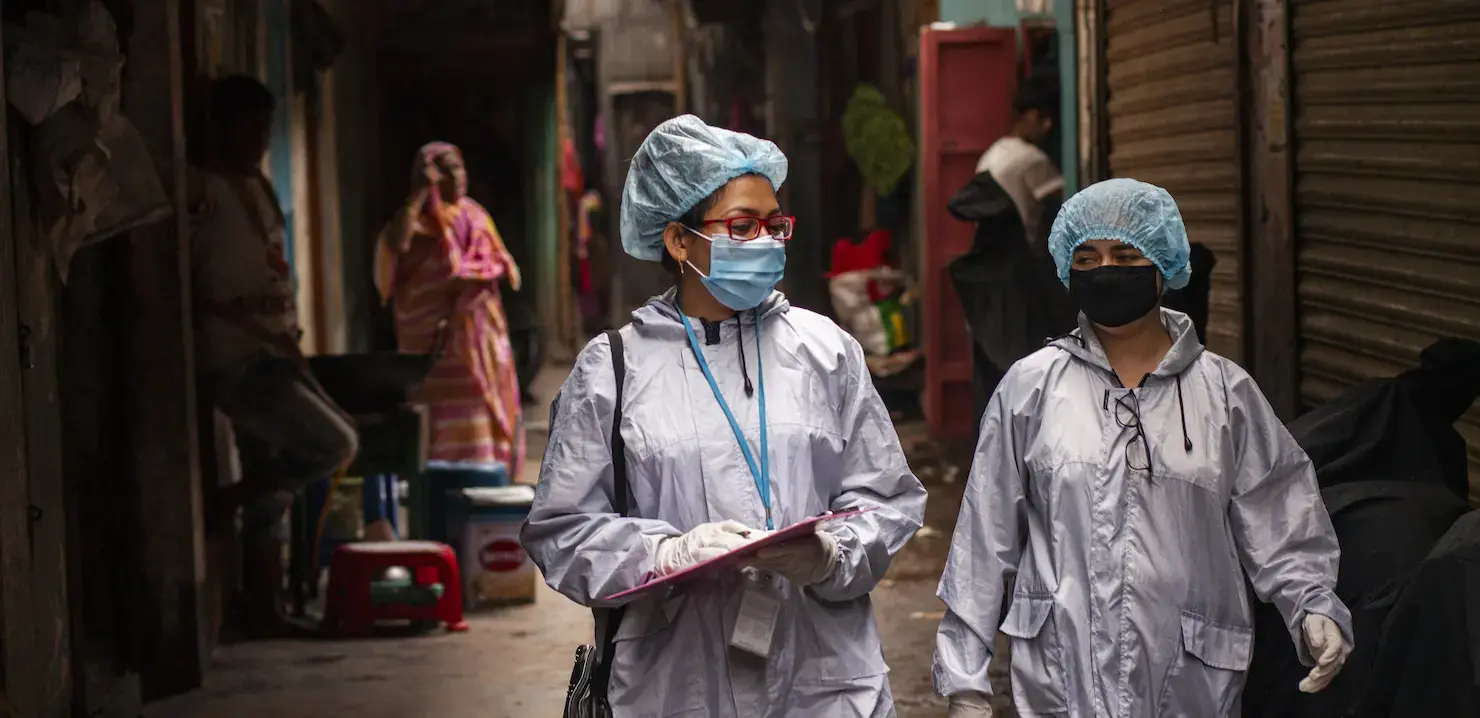
Two women in full PPE walking in the street with a clipboard.
Development workers look at their checklist during an awareness raising drive in Dhaka, Bangladesh. Sex-disaggregated and other gender data is crucial for identifying the needs of at-risk communities and targeting them with interventions like this one. Photo: UN Women/Fahad Abdullah Kaizer.

A lack of sex-disaggregated and broader gender data on the impacts of the pandemic has made it difficult to gauge and respond to the specific needs of women and girls. This has contributed to the failure of many COVID-19 response and recovery plans to incorporate gender-sensitive policies. 

What can governments do?

  • Increase support to National Statistics Systems to facilitate the strengthening of gender data collection.
  • Disaggregate all COVID data by sex (and ideally by other key sociodemographic characteristics as well).
  • Invest in the collection and analysis of gender data to better understand and respond to the pandemic’s gendered impacts, as well as to monitor the gendered impacts of COVID-19 relief efforts.
  • Expand the availability of COVID related gender data.

What is UN Women doing?

  • Providing sex-disaggregated data on the impact of COVID-19, as well as the impacts of response and recovery efforts, including:
    • Conducting Rapid Gender Assessment Surveys (RGAs) around the various impacts of COVID-19 and COVID-19 relief and recovery measures;
    • Via an inter-agency collaboration, compiling sex-disaggregated data on the impacts of COVID-19 through the creation of a COVID-19 and gender monitor;
    • Monitoring the gender sensitivity of COVID-19 relief and recovery efforts through the COVID-19 Global Gender Response Tracker, created in partnership with UNDP
  • Informing the creation of data-driven gender-sensitive policies in Senegal, the Maldives, Chile, Jordan, Columbia, Albania and Georgia. 
  • Providing resources and technical training to governments, including:  
    • Developing a gender statistics training curriculum, freely available online;
    • Producing the Counted & Visible toolkit to help countries better utilize existing data from household surveys to generate disaggregated gender statistics.

Footer menu-HQ

  • News and stories
  • Resources
  • What we do
  • How we work
  • Where we are
  • Partnerships
  • Employment
  • Procurement
  • Contact us
  • Executive Board
  • Commission on the Status of Women

Donate button menu [Footer tablet]

  • Donate

Donate button menu [Footer]

  • Donate

Social media menu

  • Facebook
  • Twitter
  • LinkedIn
  • Flickr
  • YouTube
  • Instagram
UN Women - For all women and girls

Footer bottom [Menu]

  • Copyright
  • Information security
  • Privacy notice
  • Report wrongdoing
  • Terms of use
Share this page
  • Share to Facebook
  • Share to Twitter
  • Share to LinkedIn
  • Share to E-mail

Or copy link