
Universal menu

  • Global
  • Regions
    • Africa
    • Americas and the Caribbean
    • Arab States
    • Asia and the Pacific
    • Europe and Central Asia
  • Knowledge
  • Data
  • Training
  • Transparency
UN Women - For all women and girls

Main Navigation-HQ

  • Who we are
    • About us
      • About UN Women
      • Business model
      • Guiding documents
      • Worldwide presence
    • Leadership
      • Governance structure
      • Executive leadership
      • Executive Board
      • Accountability
    • Work with us
      • Employment
      • Procurement
      • Calls for proposals
      • Contact us
      • UN Women Strategic Plan 2026–2029
      • UN Women Strategic Plan 2026–2029 - social media image
        UN Women Strategic Plan 2026–2029
  • What we do
    • Focus areas
      • Ending violence against women
      • Peace and security
      • Humanitarian action
      • Leadership and governance
      • Economic empowerment
      • Innovation and technology
      • Women with disabilities
      • Youth
      • HIV and AIDS
    • How we work
      • 2030 Agenda for Sustainable Development
      • Commission on the Status of Women
      • Gender parity in the UN system
      • Intergovernmental support
      • Partnerships
      • Research and data
      • Training Centre
      • Trust funds
      • UN system coordination
      • Gender Equality Accelerators
      • Gender Equality Accelerators artwork
        Gender Equality Accelerators
  • News and stories
    • Latest
      • News
      • Articles and explainers
      • In focus
    • Media center
      • Press materials
      • Media contacts
      • Explainer: Why are women so exhausted? Care work and the mental load
      • Two adults stand at a table changing diapers on baby dolls, with laundry hanging on a clothesline behind them in a home setting.
        Explainer: Why are women so exhausted? Care work and the mental load
      • Press release: Aid cuts dismantle women’s organizations working in humanitarian crises
      • A young Ugandan woman sits with another local woman to talk
        Press release: Aid cuts dismantle women’s organizations working in humanitarian crises
  • Digital library
    • Resources
      • Publications
      • Annual reports
      • Gender snapshot
      • Progress of the world’s women
      • World survey on the role of women in development
    • GenderTerm
      • GenderTerm
      • Reprint permissions
      • UN Women Highlights 2025–2026
      • A smiling woman.
        UN Women Highlights 2025–2026
      • Gender snapshot 2026
      • A diverse group of people represented as simplified silhouettes, arranged against a dark blue background.
        Gender snapshot 2026
  • Get involved
    • How to get involved
      • For ALL Women and Girls
      • International Women's Day
      • 16 Days of Activism to End Violence against Women and Girls
      • UNiTE! Campaign to End Violence against Women
      • Generation Equality
      • He for She
Ask AI
https://84e5cfacd5c7e99f9825edf344450c.1b.environment.api.powerplatform.com/powervirtualagents/botsbyschema/crad4_websiteQA/directline/token?api-version=2022-03-01-preview
1
-
Ask your question here
AI website assistant

Hello, how can I assist you?

AI chatbot responses may be incorrect. Always verify important information.

Donate button menu

Donate

Breadcrumb

  1. Home
  2. Articles
  3. Explainer

Website survey

We want to know how we can improve your experience on this website. Completing this survey takes less than 5 minutes.

TAKE THE SURVEY
Explainer

Less than 1 per cent of aid spending targets gender-based violence, according to new reports
15 July 2024
  • Share to Facebook
  • Share to Twitter
  • Share to LinkedIn
  • Share to E-mail
Image
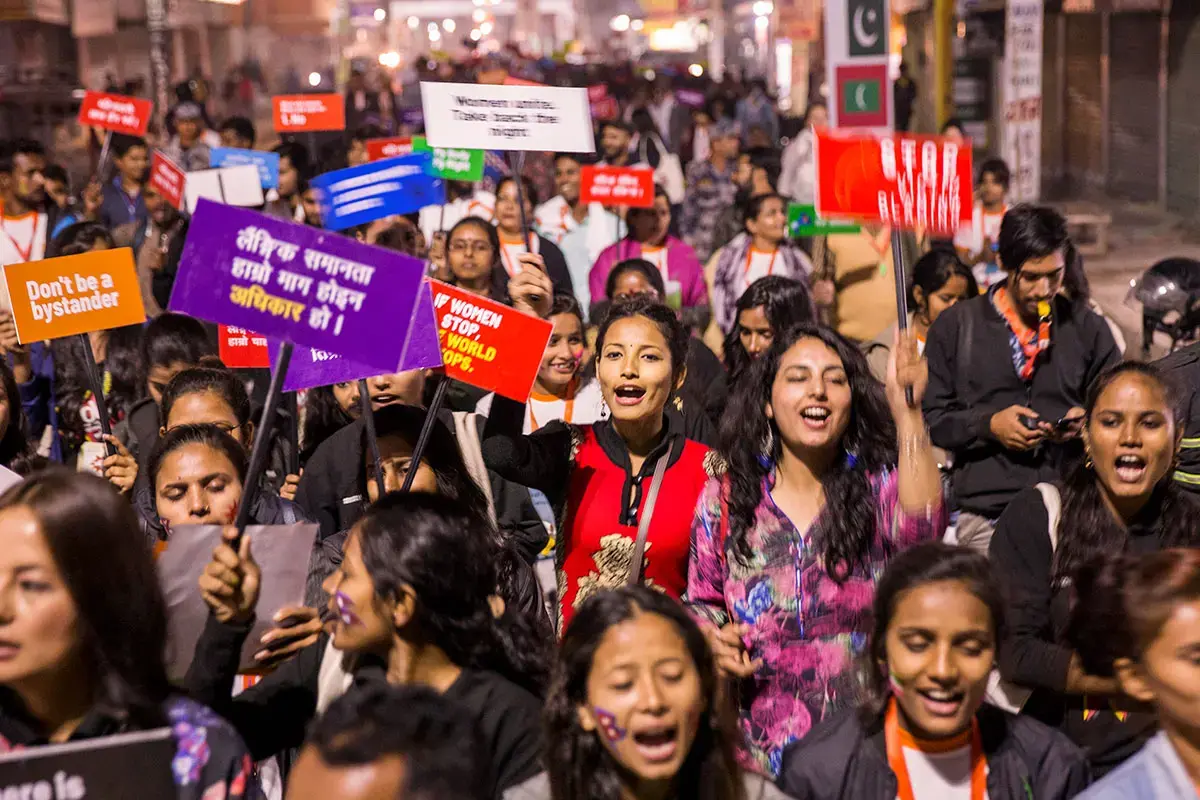
À Janakpur, au Népal, en 2019, une marche a rassemblé des centaines de personnes qui ont scandé des slogans afin d’attirer l’attention sur la nécessité de revendiquer les droits des femmes et leur accès à des espaces publics sûrs.
À Janakpur, au Népal, en 2019, une marche a rassemblé des centaines de personnes qui ont scandé des slogans afin d’attirer l’attention sur la nécessité de revendiquer les droits des femmes et leur accès à des espaces publics sûrs. Photo : ONU Femmes/Uma Bista

In 2022, countries around the world spent USD 204 billion in overseas development assistance—of that sizable sum, only one-fifth of one per cent was spent on reducing gender-based violence.

That’s according to “What Counts? The state of funding for the prevention of gender-based violence against women and girls”, a new report by the UN Women partners the Equality Institute and the Accelerator for GBV Prevention, working together under the Collective Commitment with the Generation Equality Action Coalition on GBV.

The collective calls for USD 500 million in new funding against gender-based violence for low- and middle-income countries by 2026.

“Understanding who is funding prevention, where this funding is going, and what impact this funding is having helps build a picture that can inform and guide future decision-making and investment”, said Emma Fulu, Founder and Executive Director of the Equality Institute.

She described the report as “an invitation” to funders across the globe to redouble their efforts and continue to help drive investment in preventing gender-based violence.

A separate report, the Action Coalition on GBV’s Accountability Report, noted that only 5 per cent of total overseas development assistance dedicated to addressing violence against women reached civil society organizations in developing countries, thereby highlighting the urgent need for increased long-term, sustainable investments in women’s rights organizations.
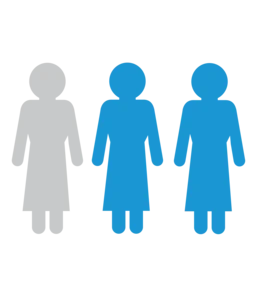
1 in 3 women face violence in their lifetimes

1 in 3

women face violence in their lifetimes

0.2% of global aid and development spending targeted gender-based violence in 2022

0.2%

of global aid and development spending targeted gender-based violence in 2022

98% of that funding went to large aid groups or government agencies
98%

of that funding went to large aid groups or government agencies 

Recommendations

The "What Counts?” report calls for shifts in funding distribution, recommending governments directly fund local women’s rights organizations and feminist movements. At present, 98 per cent of funding has been delivered to international nongovernmental organizations, private contractors, governments, and multilateral agencies—and that funding is often short-term and focused on delivering specific projects.

Instead, the report says, funding should be sent to front-line feminist organizations and independent global feminist funds, which can be more flexible in the disbursing of funds and focus on long-term goals. 

Another recommendation is for private philanthropic foundations to commit to gender-based violence prevention in their overall strategic plans, and to embed such commitments across their portfolios. Philanthropies are also encouraged to provide annual reports on their investments fighting gender-based violence, and all donors are recommended to increase the transparency of their programmes to ensure that progress can be tracked.

The report also recommends that plans to reduce gender-based violence be built into international development policies, counties’ national action plans, and broader strategies at the country level. Governments are encouraged to enact multi-sectoral national action plans to prevent gender-based violence, with budgets that include commitments for aid and international development. 

The Action Coalition on GBV’s Accountability Report also calls for increasing funding to women’s rights organization and for doubling the amount of funds that reach local women's rights organizations. That report also calls for coordinated, comprehensive, and multi-sectoral programming on violence against women and girls.

“It is possible to end this global scourge in our lifetime”, said Kalliopi Mingeroi, Chief of UN Women’s Ending Violence against Women and Girls Section. “We have the answer: sustained political commitment and greater investments in effective prevention strategies through domestic financing, official development assistance, private and philanthropic financing can drive down the prevalence of violence against women and girls in all their diversity”.

“Every effort invested in prevention is a step towards a safer and more equal world”, she said.

Topics

  • Ending violence against women and girls
  • Anti-violence interventions
  • Domestic violence/interpersonal violence
  • Leadership and political participation
  • Women’s movements

Footer menu-HQ

  • News and stories
  • Resources
  • What we do
  • How we work
  • Where we are
  • Partnerships
  • Employment
  • Procurement
  • Contact us
  • Executive Board
  • Commission on the Status of Women

Donate button menu [Footer tablet]

  • Donate

Donate button menu [Footer]

  • Donate

Social media menu

  • Facebook
  • Twitter
  • LinkedIn
  • Flickr
  • YouTube
  • Instagram
UN Women - For all women and girls

Footer bottom [Menu]

  • Copyright
  • Information security
  • Privacy notice
  • Report wrongdoing
  • Terms of use
Share this page
  • Share to Facebook
  • Share to Twitter
  • Share to LinkedIn
  • Share to E-mail

Or copy link